3D Product Application

Packaging

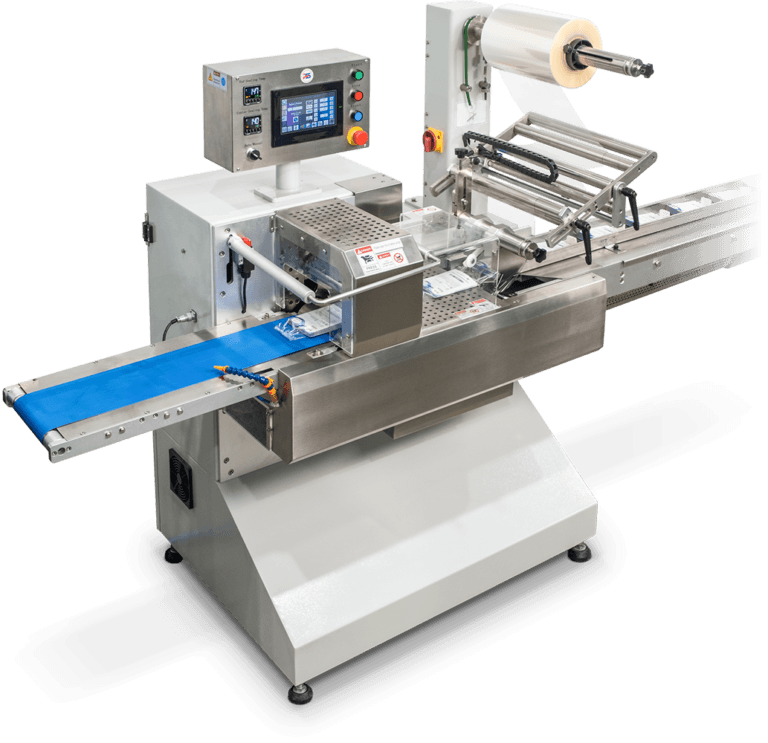
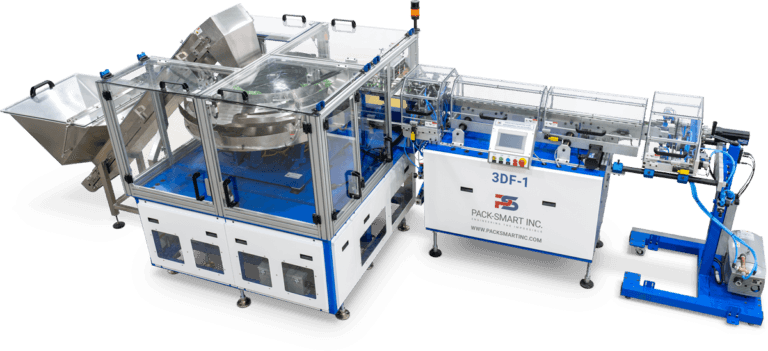
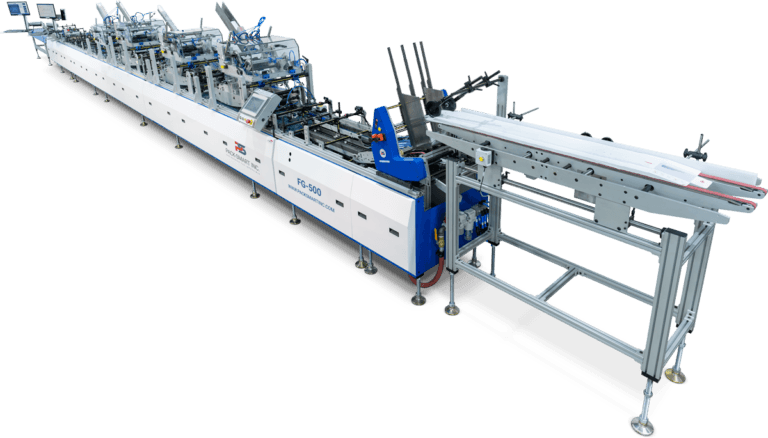
3D product packaging automation coordinates product presentation, placement, package handling, inspection, and pack-out for rigid or dimensional items. Pack-Smart integrates these steps around the package format and required controlled output.

3D Product Applications

3D Product Packaging Systems That Coordinate the Complete Output

Packaging performance depends on more than the final wrap, seal, or carton. Product presentation, package formation, inspection, labelling, and delivery must operate as one controlled system.

Pack-Smart configures modular packaging systems around the product, package format, production rate, verification requirements, and downstream delivery condition. Feeding, assembly, folding, gluing, wrapping, sealing, batching, labelling, inspection, and reject handling can be coordinated within one production architecture.

The objective is controlled output: the right product in the right package, processed according to defined production logic and transferred without allowing a known non-conforming result to continue deeper into pack-out.


Relevant Systems

Packaging Systems for 3D Products

Explore Pack-Smart systems for placing, grouping, loading, wrapping, or packing dimensional products into the required delivery format. Final configuration depends on product geometry, package format, product presentation, inspection requirements, throughput, and downstream pack-out logic.

Production Challenges

Where 3D product packaging creates operational exposure

When product handling and package conversion are treated as separate tasks, errors can pass between modules without a clear containment point.

Product and format variability

Different shapes, sizes, surfaces, and package structures change how products can be loaded, supported, wrapped, sealed, or finished.

Uncontrolled process handoffs

A stable package depends on accurate transfer between feeding, assembly, forming, sealing, inspection, and delivery stages.

Incomplete or incorrect packs

Missing components, incorrect sequence, poor placement, or unreadable information can affect the entire finished package if verification is delayed.

Late defect containment

Rejecting a product after wrapping, sealing, or pack-out consumes more material and production capacity than containing the issue earlier.

Application Fit

Common 3D product packaging use cases

The package format and operating model determine the modules required, from product loading through verified final delivery.

Samples and promotional packs

Feed, place, affix, fold, and finish three-dimensional samples or promotional items within a branded package.

Kits and multi-component packs

Coordinate component sequence, package loading, variable marking, inspection, and transfer into final wrapping or cartoning.

Batched and bundled products

Create defined counts or groups, verify the batch, wrap or secure it, and apply the required aggregate label.

Carton and corrugated formats

Integrate product placement with carton or corrugated forming, affixing, folding, gluing, labelling, and delivery.

Frequently Asked Questions

Planning a 3D product packaging system

These are the questions manufacturers and production teams commonly ask when evaluating this application.

Which packaging formats can be automated?

Potential formats include folding cartons, corrugated packages, wrapped products, sealed packs, kits, batches, bundles, and specialty presentation formats. The product and package must be reviewed together.

Can product feeding and package finishing be combined in one line?

Yes. Modular feeding, assembly, affixing, folding, gluing, wrapping, sealing, inspection, labelling, and delivery technologies can be coordinated around the required production sequence.

How can incomplete packs be contained?

Depending on the application, sensors, readers, machine vision, weight inspection, and reject logic can be used to identify and divert a non-conforming result before final delivery.

Can the system connect to existing upstream or downstream equipment?

Yes. Mechanical transfer, line speed, control signals, product tracking, reject handling, and data exchange must be defined during the integration assessment.

What determines packaging system throughput?

Throughput depends on product presentation, package complexity, number of process steps, sealing or curing requirements, inspection time, changeover conditions, and surrounding equipment.

What should be provided for a packaging application review?

Provide representative products and packaging materials, drawings or dielines, finished-pack requirements, target throughput, quality criteria, reject strategy, changeover expectations, and line-interface information.

Application Assessment

Evaluate the product, package, and production logic together

Share the product, materials, required package format, quality criteria, and target output. Pack-Smart can define the modules and control points needed to move from loose product to verified packaged output.