Specialty Print Finishing Application

Tipping and Inserting

Specialty Print Finishing Applications

Specialty Print Tipping and Inserting Systems for Controlled Placement and Assembly

Cards, samples, coupons, booklets, labels, and other components must be presented, identified, and placed in the correct position and sequence before the finished printed product is released.

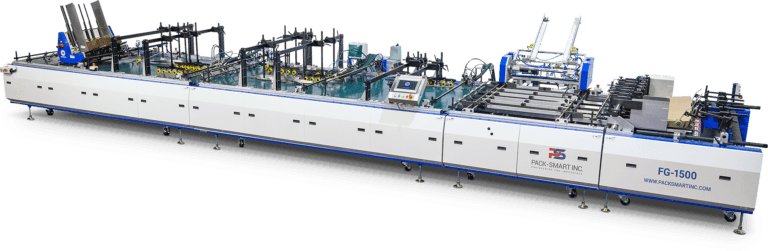
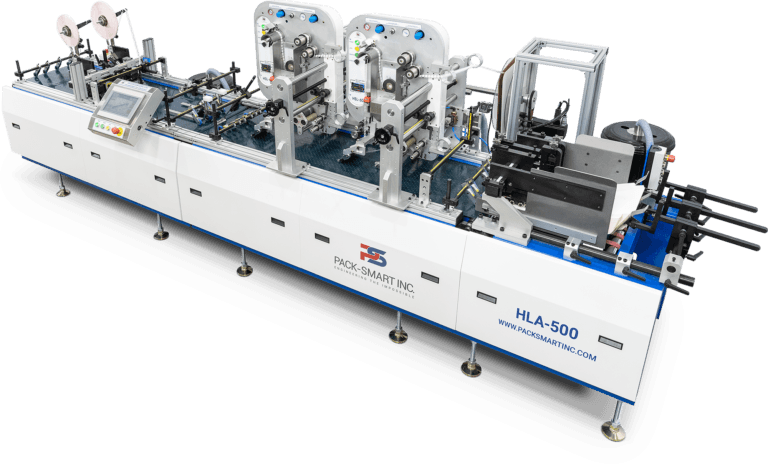
Pack-Smart configures modular tipping and inserting systems that can combine carrier feeding, registration, component feeding, pick-and-place handling, adhesive application, tipping, insertion, folding, inspection, reject handling, counting, and delivery. Each component path is designed around its geometry, stiffness, surface, orientation, and acceptable contact points.

The process must maintain the relationship between the printed carrier and every added component. Placement relative to artwork, folds, pockets, die-cut features, adhesive zones, and downstream equipment is controlled and verified so missing, doubled, skewed, incorrect, or damaged assemblies can be contained.


Relevant Systems

Tipping & Inserting Systems for Specialty Print

Explore Pack-Smart systems for tipping, affixing, inserting, and positioning cards, labels, samples, or other components within specialty print production. Final configuration depends on substrate, component format, feeder presentation, placement tolerance, adhesive or insertion method, inspection, and throughput.

Production Challenges

Where tipping and inserting lose control

Assembly errors appear when component feeding, carrier registration, placement, attachment, and verification do not operate from the same product position and sequence.

Mixed materials and geometries

Thin inserts, rigid cards, folded booklets, samples, labels, and irregular pieces respond differently to separation, vacuum, friction, static, and handling forces.

Delicate or unstable components

Lightweight, curled, glossy, textured, or damage-sensitive components can shift, double-feed, mark, or deform before placement.

Tight placement and adhesive windows

Components must remain within the allowed area without covering artwork, codes, folds, perforations, pockets, or glue paths required later in the process.

Hidden assembly defects

A missed, doubled, incorrect, or skewed component may become difficult to detect after folding, closing, wrapping, or downstream packing.

Application Fit

Common specialty print tipping and inserting applications

The final configuration is selected around the carrier, component set, placement method, assembly sequence, verification requirement, and downstream process.

Card tipping

Place gift, loyalty, membership, promotional, or information cards onto registered carriers with the required attachment and verification method.

Promotional sample placement

Feed and attach flat or three-dimensional samples to printed pieces while controlling orientation, contact, adhesive, and presentation quality.

Booklet and instruction insertion

Insert leaflets, instruction sheets, booklets, coupons, or informational components into carriers, sleeves, pockets, or presentation formats.

Multi-component mailers and presentation packs

Assemble several identified components in a controlled order and verify completeness before folding, closing, or final delivery.

Frequently Asked Questions

Planning a specialty print tipping and inserting system

These are the questions manufacturers and production teams commonly ask when evaluating this application.

What types of components can be tipped or inserted?

Potential components include cards, labels, samples, coupons, leaflets, booklets, instructions, envelopes, tokens, closures, and other flat or three-dimensional items. Representative samples are required to confirm handling.

How are components separated and oriented?

The method depends on component geometry and material behaviour. Friction or magazine feeding, vibratory feeding, pick-and-place handling, vision guidance, vacuum devices, and mechanical guides can be combined as needed.

What is the difference between tipping and inserting?

Tipping generally places and attaches a component onto a carrier surface. Inserting places a component into a pocket, sleeve, envelope, folded product, or another defined receiving feature. A line can perform both operations.

How are tipped components attached?

Depending on the product, attachment can use removable or permanent adhesive, pressure-sensitive material, tape, hot melt, cold glue, or another engineered method. Adhesive selection and pattern must be validated for the surfaces and intended use.

How does the system detect missing or doubled components?

Sensors, barcode readers, thickness checks, weight verification, and machine vision can be configured to confirm presence, count, identity, orientation, position, and completeness before the product leaves the controlled process.

What information is needed for an application assessment?

Provide representative carriers and components, drawings or artwork, placement tolerances, attachment requirements, allowed variation, component sequence, target output, inspection criteria, reject rules, and details of surrounding equipment.

Application Assessment

Define the carrier, components, and assembly sequence

Share the printed carrier, component set, placement or insertion locations, attachment method, required sequence, target output, and inspection criteria. Pack-Smart can identify the feeding, handling, assembly, verification, and delivery modules required for the application.