

Blog
Advertising, Marketing & Branding Agencies Embrace GS1 Sunrise 2027
GS1 Sunrise 2027 turns packaging into a brand portal. Learn how marketing, branding & ad agencies must rethink Connected Packaging to own this new space.
Most agencies & marketers understand UPC barcodes are a point-of-sale requirement built into packaging production. What most agencies don’t know is 2D barcodes are replacing UPC codes through a global initiative called GS1 Sunrise 2027. Leading agencies and brand teams know this change creates an exciting new D2C channel and Customer Experience.
Unlike traditional 1D codes, 2D formats can store GTIN, batch data, expiration dates, product instructions, safety recalls and digital links to loyalty programs or content. This delivers traceability, data-driven operations, and a new category and platform called: Connected Packaging
GS1 Sunrise 2027 benefits the entire supply chain because it extends value from the producer all the way to the end consumer. This global transition from traditional UPC to 2D converts packaging into a NEW digital media surface and brand playground.
For brands, packaging becomes the NEW channel for engagement, storytelling, authentication, and data collection. For agencies and creative teams, it means their creative strategy, packaging design, and digital experience are suddenly connected in new ways. It’s a whole new touchpoint.
The question isn’t whether packages will carry digital experiences…it’s which agency will design and support a new GTM and absorb the inherent benefits.
What GS1 Sunrise 2027 Means for Agencies
GS1 Sunrise 2027 represents the global retail industry transition from UPC to 2D barcodes.
A single, 2D code will perform two roles:
- Retail Checkout Identification
- Post-Purchase Consumer Engagement (smartphone)
The combination transforms the barcode from an operational element into a digital portal integrated within packaging. Call it: Connected Packaging.
Historically, agencies rarely influenced barcode strategy. This responsibility belonged to packaging engineers, printers, and supply chain teams. But connected packaging is becoming a consumer touchpoint, so agencies belong in the center of the conversation. Here’s how to approach:
Creative teams will increasingly influence:
- How the code appears visually
- How consumers interact with it
- What experience launches after scanning
- How packaging integrates into omnichannel campaigns
In other words, the barcode is no longer invisible infrastructure. It is now a designed experience layer.
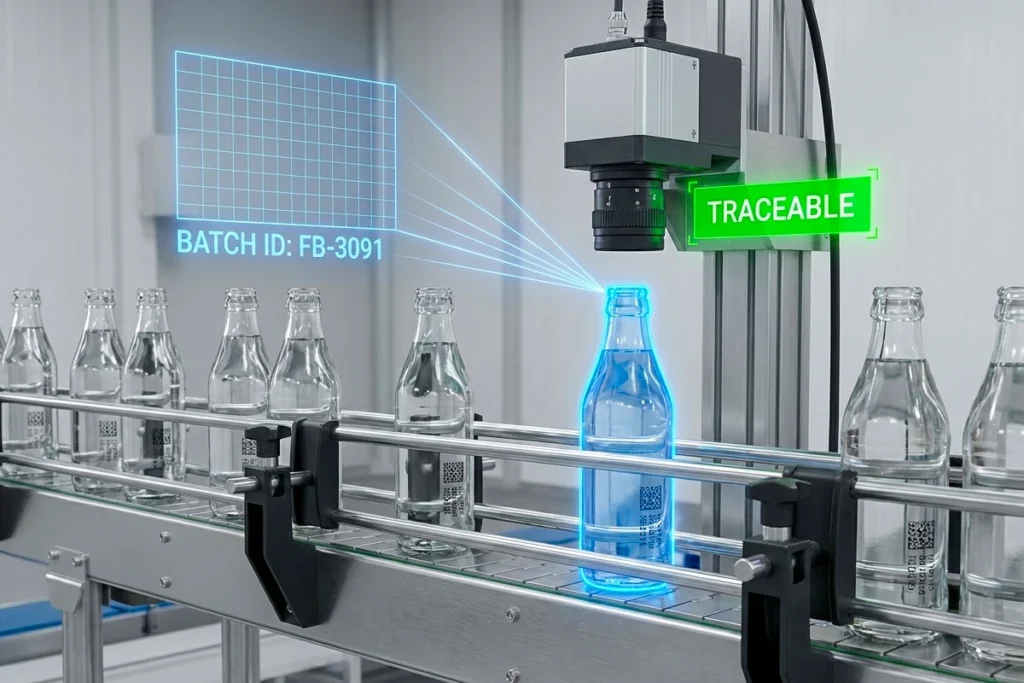
Packaging Is Becoming a Media Channel
Brands spend millions creating campaigns that direct consumers to digital destinations. Yet the product itself is historically disconnected from the ecosystem.
2D barcodes change that dynamic. With QR codes on packaging, a product can become a permanent entry point into brand experiences. A simple scan might lead to:
- Product authentication and trust verification
- Loyalty programs and rewards
- Instructional content and onboarding
- Promotional campaigns
- Sustainability information
- Personalized experiences tied to serialized products
Instead of directing consumers away from the product, brands can now start the interaction directly on the package. For agencies, this opens new strategic territory. Packaging is no longer just the final stage of brand expression. It becomes the first stage of digital engagement.
The Creative Opportunity Agencies Are Missing
Many agencies approach packaging design the same way they have for decades. The package is treated as a visual artifact that communicates branding, product benefits, and regulatory information.
But GS1 Sunrise 2027 introduces both a new design reality and creative opportunity.
The constraint is simple: a 2D barcode must exist on the package and meet strict scanning requirements for retail environments. The opportunity is much larger: the barcode becomes a gateway to brand-owned digital environments.
This creates a new category of design thinking. Agencies should begin asking:
- What experience begins when the package is scanned?
- How will the experience support brand strategy?
- How will packaging integrate into CRM and digital campaigns?
- How will scanned interactions generate measurable consumer data?
When agencies start thinking about packaging this way, the role design plays expands dramatically.
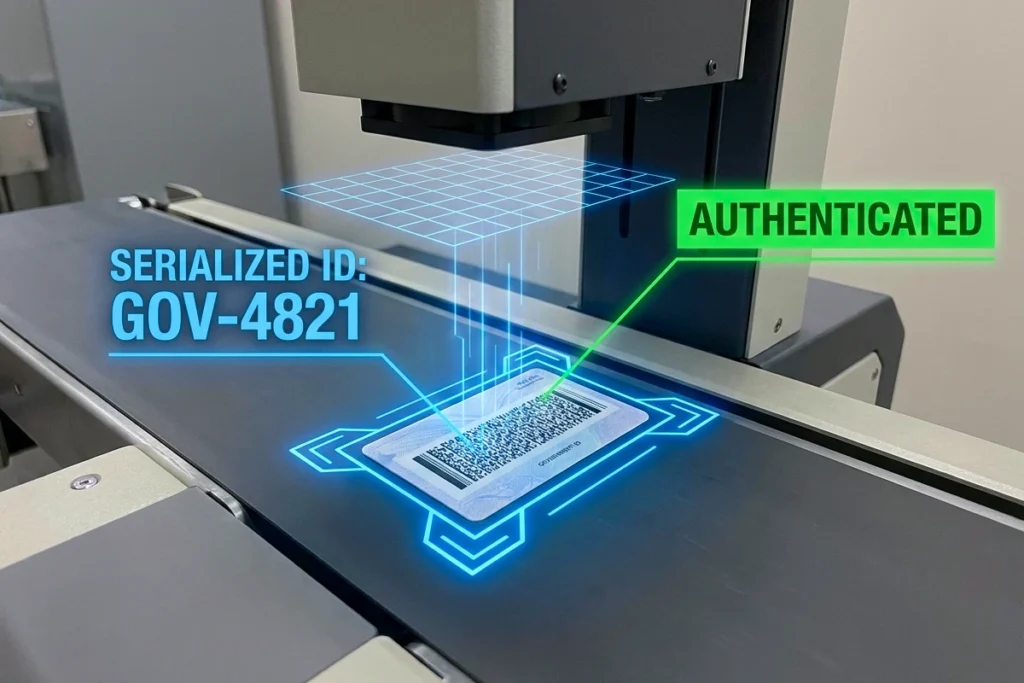
The Operational Reality Behind the Code
While the creative possibilities are exciting, successful connected packaging requires alignment with manufacturing and retail systems.
A 2D barcode placed incorrectly, printed poorly, or integrated without consideration for packaging production can fail at checkout or during consumer scans.
That creates real operational risk.
In practice, brands implementing QR codes on packaging must consider:
- Barcode size and placement within packaging layouts
- Print quality and contrast levels required for scanning
- Coexistence with legacy UPC codes during the transition period
- Packaging material and finishing effects that impact readability
- Inspection systems verifying code quality on production lines
This is where the creative and operational worlds intersect.
Packaging concepts must perform under real production conditions, which is why the collaboration between agencies, packaging engineers, and automation providers becomes critical. The best implementations will combine strong creative thinking with disciplined packaging execution.
Why This Matters to Agencies Now
GS1 Sunrise adoption is well underway. Retailers, brands, and technology providers are actively preparing and activating the transition. In fact, Tesco has become the first major UK supermarket to stop using UPC barcodes.
What’s missing is agency leadership to define the consumer experience layer. When brands begin deploying 2D barcodes at scale, several strategic questions will appear:
- What digital experience should launch after a scan?
- Localization: the experience can change by region or campaign. What is the strategy?
- Can packaging extend loyalty, rewards and authentication programs?
- How will scanned interactions feed marketing data platforms?
These questions squarely fall in an agency’s line-of-duty.
Agencies who understand GS1 Sunrise 2027 early will shape brand strategy. Agencies that ignore this change may find those decisions moving to other partners.
A New Collaboration Between Design and Production
The shift toward connected packaging is more than a technology change. It is a workflow change.
Packaging design, manufacturing systems, digital platforms, and marketing teams are beginning to operate in the same ecosystem. This environment requires collaboration across disciplines that historically worked in isolation.
Creative teams bring storytelling and brand experience thinking. Packaging engineers ensure designs function under production realities. Automation systems ensure codes are applied, verified, and serialized at scale.
Together, they create packaging that works in both physical and digital environments. For agencies willing to engage with this new structure, the opportunity is significant.
The Package Is Becoming the First Digital Touchpoint
For decades, packaging has served as the final expression of a brand message before purchase.
With 2D barcodes and QR codes on packaging, there’s a new first touchpoint in a broader digital relationship.
A scan can lead consumers into loyalty ecosystems, authentication services, immersive storytelling, or personalized product journeys. That interaction can also produce valuable data that informs marketing strategy and future campaigns.
For agencies, this represents a new design frontier. The package is no longer just a container. It is becoming a digital interface for the brand itself. Those who understand how to design this interface will shape the next era of packaging.
Questions?
Want to learn more? Get in touch with us here!