Folding Cartons Application

Fulfilment and Kitting

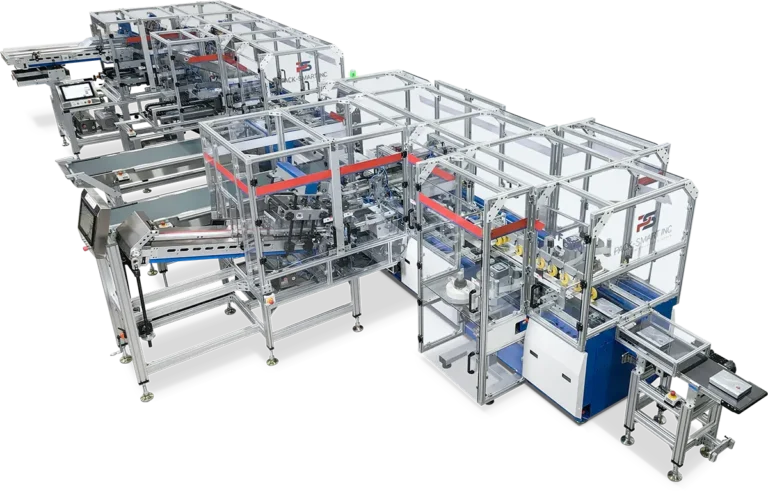
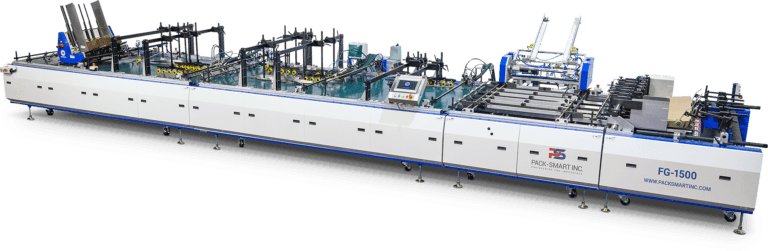
Folding carton fulfilment and kitting systems coordinate component selection, insertion, assembly, packing, inspection, and final delivery. Pack-Smart Inc. integrates kitting logic so the correct components move into the correct carton or fulfilment sequence.

Folding Carton Applications

Folding Carton Fulfilment and Kitting Systems for Controlled Component Sets and Verified Pack-Out

A kit is complete only when the correct carton, products, inserts, and production data remain associated through loading, inspection, closing, and final delivery.

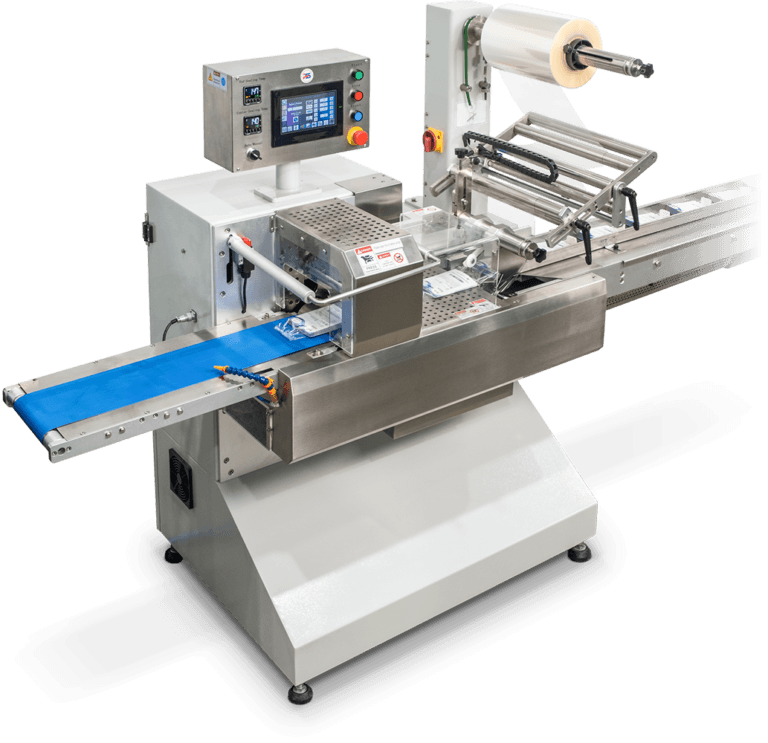
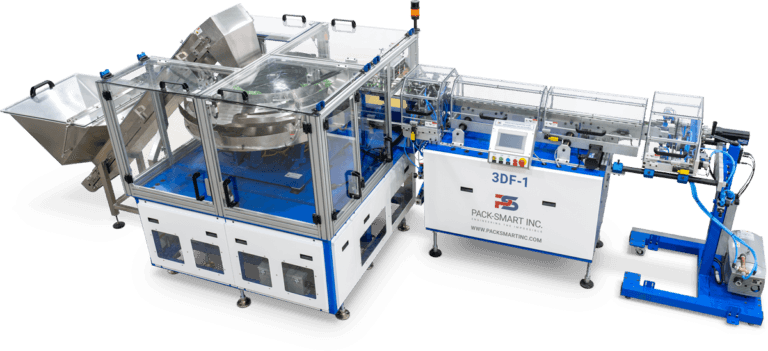
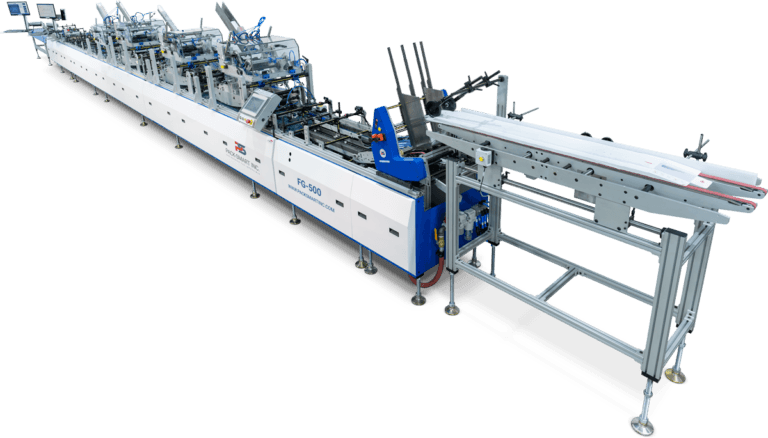
Pack-Smart configures modular folding carton fulfilment and kitting systems that can combine carton or tray forming, product feeding, selection, counting, pick-and-place loading, insert feeding, personalization, inspection, closing, labelling, batching, and pack-out. The final architecture depends on the kit structure, component mix, production data, target output, and verification requirements.

Each component stream must be controlled independently and then reconciled against the required finished kit. Product tracking, inspection, reject handling, and remake logic help prevent incomplete, duplicated, incorrect, or mismatched kits from reaching final distribution.


Relevant Systems

Folding Carton Fulfilment & Kitting Systems

Explore Pack-Smart systems for assembling kits, loading components, verifying contents, and preparing folding carton output for fulfilment. System architecture depends on component mix, assembly sequence, carton format, identification requirements, inspection, pack-out logic, and throughput.

Production Challenges

Where carton fulfilment and kitting lose control

The finished pack may contain several correctly produced items and still be non-conforming if one component is missing, duplicated, misplaced, or assigned to the wrong kit.

Multiple component streams

Products, inserts, samples, accessories, and printed materials may require different feeding, orientation, and replenishment methods.

Count and sequence errors

A missed feed, double feed, or incorrectly released component can create an incomplete or incorrectly configured kit.

Variable kit recipes

Different orders, markets, promotions, or product configurations may require controlled changes to component selection and pack structure.

Errors concealed by closure

A missing or misplaced component becomes more expensive to identify after the carton has been closed, labelled, bundled, or packed out.

Application Fit

Common folding carton fulfilment and kitting applications

The system configuration is selected around the carton or tray, component set, recipe logic, inspection requirements, and final delivery format.

Medical and diagnostic kits

Coordinate devices, consumables, instructions, carriers, and supporting components in a defined and verified kit structure.

Personal care and sample packs

Load bottles, tubes, sachets, samples, applicators, and printed materials into presentation cartons or trays.

Direct-to-consumer packs

Assemble order-specific products, accessories, inserts, and personalized materials before closing and distribution.

Premium and promotional kits

Create controlled product combinations for launches, loyalty programs, events, campaigns, and retail presentation.

Frequently Asked Questions

Planning a folding carton fulfilment and kitting system

These are the questions manufacturers and production teams commonly ask when evaluating this application.

What processes can be included in a kitting system?

A configuration may include carton or tray forming, product feeding, selection, counting, loading, insert placement, personalization, inspection, closing, labelling, batching, and pack-out.

Can products with different shapes be handled together?

Potentially. Each component is evaluated separately to determine its feeding, orientation, handling, placement, and inspection method before the streams are combined.

Can the system support different kit recipes?

Yes, when the approved recipes, component-selection rules, feeder assignments, data inputs, changeover requirements, and verification criteria are defined.

How is kit completeness verified?

Sensors, barcode reading, machine vision, electronic counting, and weight verification can be combined to confirm component presence, identity, quantity, placement, or final pack condition.

What happens when a component or kit is rejected?

The affected product can be diverted, the exception recorded, and the required remake or reconciliation process initiated without releasing a known incomplete kit.

What information is needed for an application assessment?

Provide representative cartons, trays, products, and inserts together with kit recipes, selection rules, target throughput, inspection criteria, reject strategy, data requirements, and finished-output specifications.

Application Assessment

Define the complete kit structure before defining the equipment

Share the carton or tray, component set, kit recipes, verification criteria, and final delivery format. Pack-Smart can identify the feeding, loading, inspection, closing, and pack-out modules required for the workflow.