Card Application

Personalization

Card Applications

Card Personalization Systems for Controlled Variable Data and Verification

Card personalization is not complete when variable data has been printed. The system must confirm that the correct production record was applied to the correct physical card and that the result meets the required acceptance criteria.

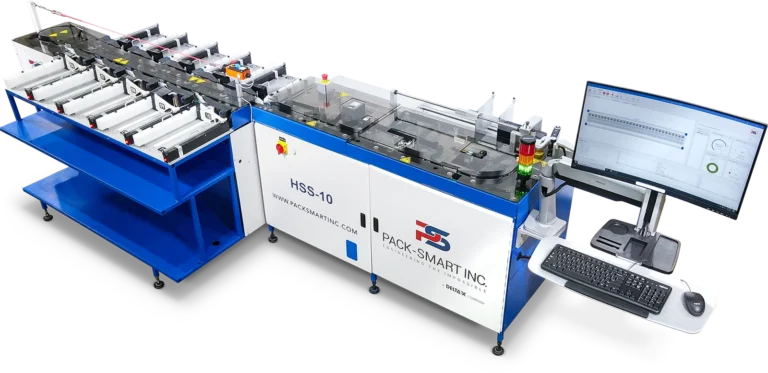
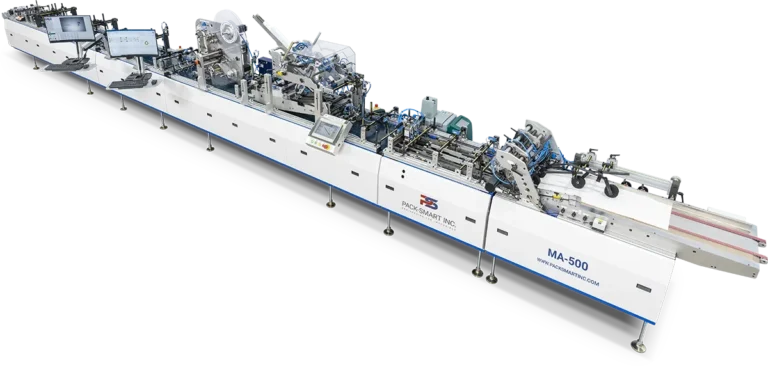
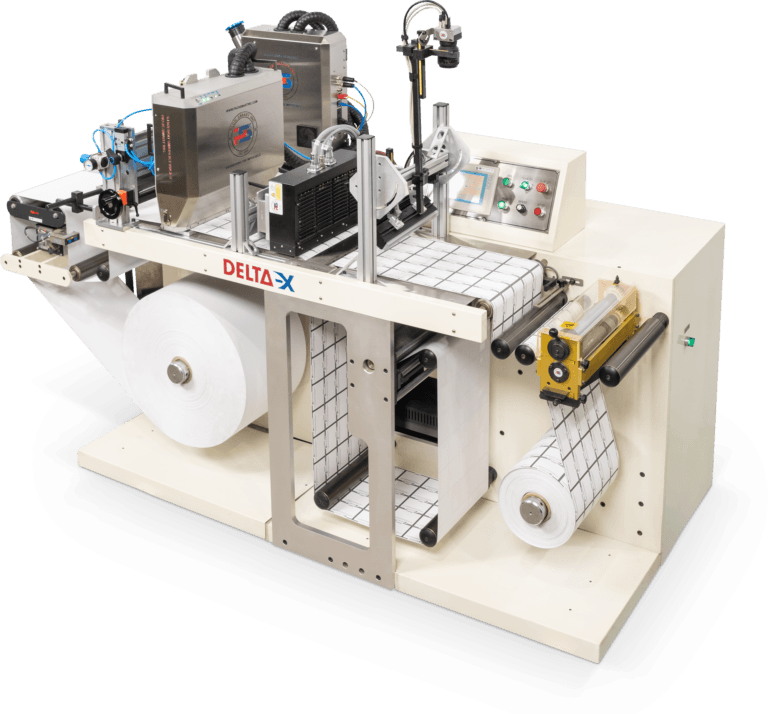
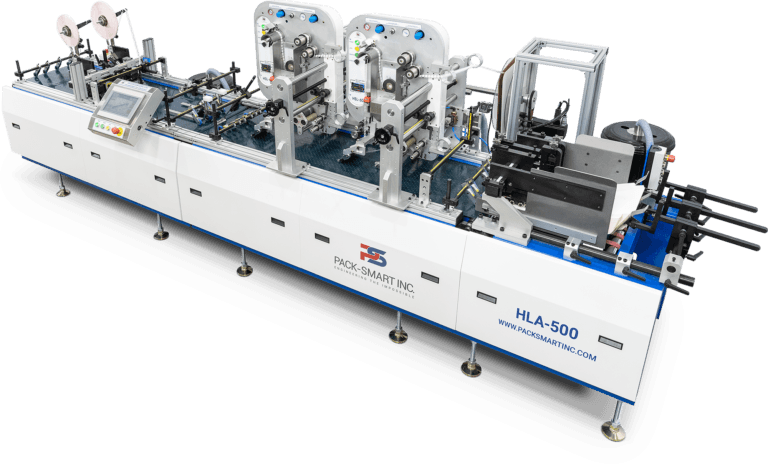
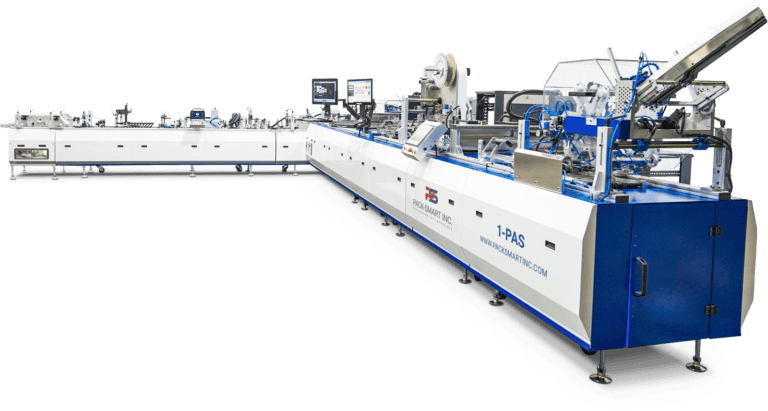
Pack-Smart configures modular card personalization systems that can combine card feeding, registration, digital printing, variable text and graphics, barcode or 2D-code printing, label application, data reading, inspection, reject handling, and production tracking. The final architecture depends on the card material, data source, print coverage, required resolution, throughput, and downstream process.

The data record, physical card, printed result, inspection decision, and final disposition must remain synchronized. A card with missing, unreadable, duplicated, misplaced, or incorrect variable data must be contained before it reaches matching, packaging, or issuance.


Relevant Systems

Card Personalization Systems

Explore Pack-Smart systems for coordinating card personalization, encoding, variable print, matching, inspection, and downstream packaging. System configuration depends on card type, data inputs, personalization method, verification requirements, production security, throughput, and reconciliation logic.

Production Challenges

Where card personalization loses control

The primary risk is not simply poor print quality. It is losing synchronization between the production data, the physical card, and the verified output.

Data sequence drift

A missed feed, double feed, or rejected card can shift the relationship between the data sequence and the physical products on the line.

Print position and quality variation

Card movement, surface variation, ink behaviour, or poor registration can produce misplaced, incomplete, or inconsistent personalization.

Unreadable machine-readable data

A barcode or 2D code may be present but still fail the required readability, grading, or data-content criteria.

Reject and remake gaps

Removing a non-conforming card creates an exception that must be recorded and reconciled without assigning its data to the next product.

Application Fit

Common card personalization applications

Personalization architecture is selected around the card program, variable-data requirements, card surface, inspection criteria, and downstream issuance or packaging process.

Financial and payment cards

Apply and verify cardholder information, identifiers, machine-readable codes, and other program-specific variable content.

Gift, prepaid, and loyalty cards

Print or label unique card data before activation, retail packaging, fulfilment, or distribution.

SIM and telecommunications cards

Associate and verify subscriber, network, or production identifiers before the card enters its carrier or package.

Identification and membership cards

Produce variable text, graphics, photographs, identifiers, or codes for ID, access, healthcare, and membership programs.

Frequently Asked Questions

Planning a card personalization system

These are the questions manufacturers and production teams commonly ask when evaluating this application.

What information can be personalized on a card?

Applications may include variable text, numbers, graphics, photographs, barcodes, 2D codes, identifiers, labels, and other program-specific content. The available methods depend on the card and required result.

Can both sides of a card be personalized?

Potentially. A system can be configured for single-sided or duplex processing when the card-handling method, print requirements, inspection points, and throughput target have been defined.

How is the correct data assigned to each physical card?

The production record can be associated with the card at a controlled feed or identification point and tracked through printing, inspection, rejection, and downstream transfer.

How is personalized output verified?

Machine vision, optical character recognition, optical character verification, and code-reading tools can compare the printed result with the expected content and acceptance criteria.

Can personalization integrate with encoding and packaging?

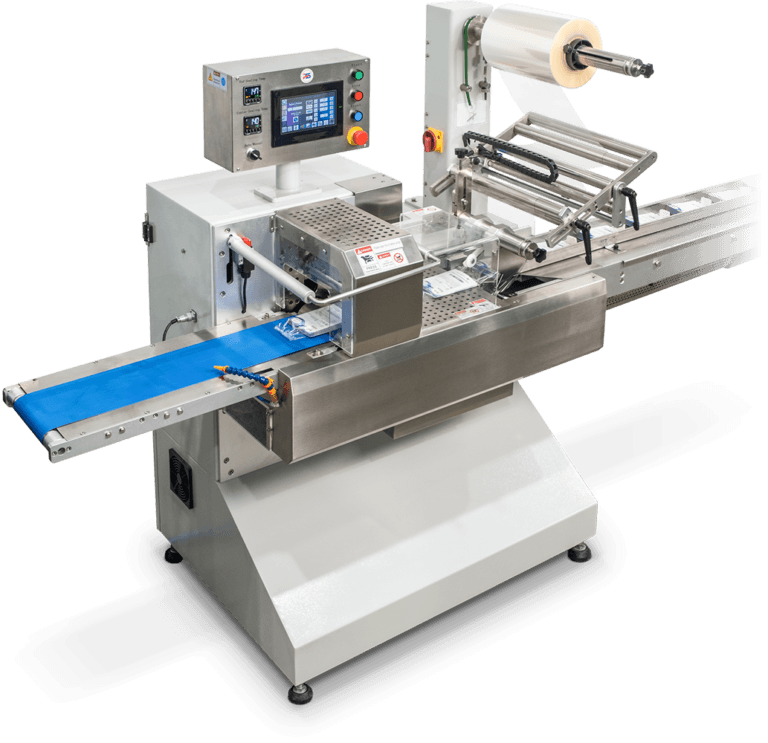
Yes. Personalization can be coordinated with card encoding, matching, affixing, folding, sealing, inspection, batching, and pack-out after the data and equipment interfaces have been defined.

What information is needed for a personalization assessment?

Provide representative cards, data samples, artwork, variable fields, print locations, readability requirements, target throughput, inspection criteria, reject strategy, and details about upstream and downstream processes.

Application Assessment

Define how every personalized card will be produced and verified

Share the card format, variable data, artwork, print requirements, inspection criteria, and downstream process. Pack-Smart can identify the control points and modular technologies required for the personalization workflow.