Card Application

Fulfilment

Card Applications

Card Fulfilment Systems for Controlled Matching, Finishing, and Delivery

Card fulfilment becomes a control problem when personalized cards, carriers, inserts, mail pieces, and production data must remain correctly associated through every production step.

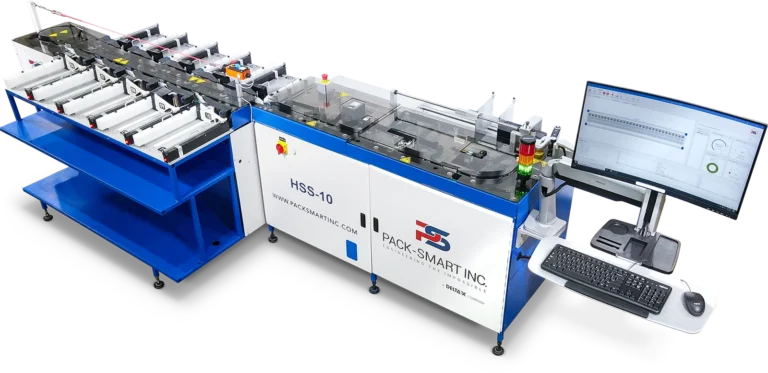
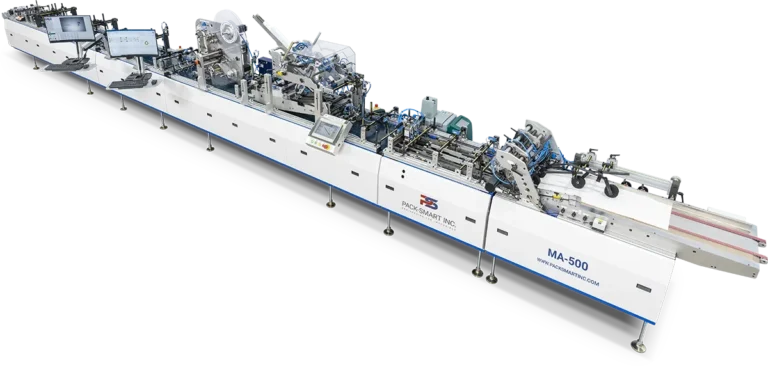
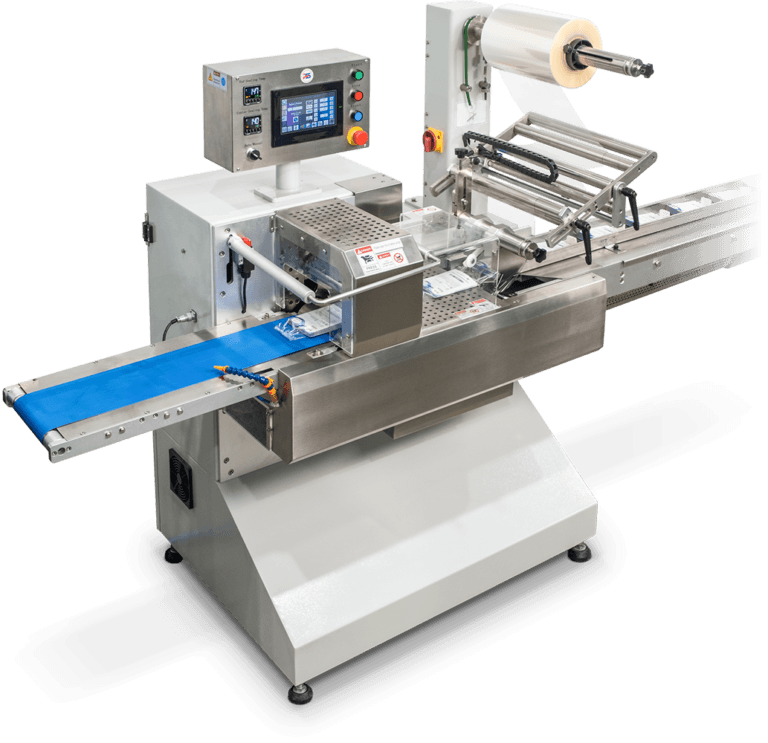
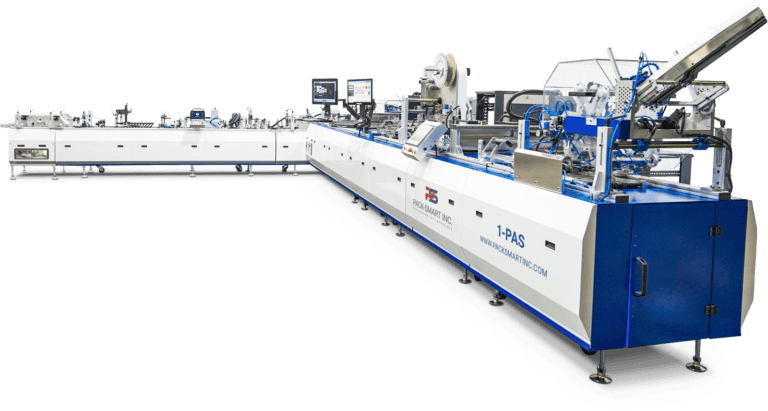
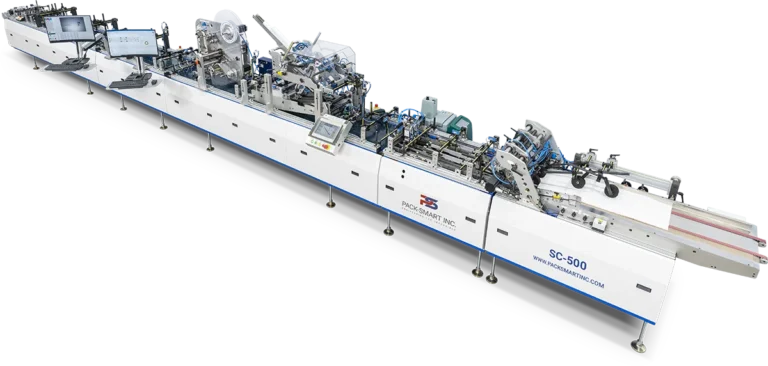
Pack-Smart configures modular card fulfilment systems that coordinate card feeding, data reading, carrier preparation, matching, affixing, inspection, folding, inserting, packaging, batching, sorting, and pack-out. The final architecture depends on the card program, delivery format, data requirements, production rate, and required level of verification.

Each transfer point must preserve the relationship between the physical card, its associated carrier or package, and the production record. Inspection, reject handling, remake logic, and reconciliation help prevent a known mismatch or incomplete product from continuing into final delivery.


Relevant Systems

Card Fulfilment Systems

Explore Pack-Smart systems for coordinating card fulfilment steps such as matching, attaching, inserting, folding, labelling, packaging, and final delivery. System architecture depends on the card program, associated materials, data requirements, verification rules, package format, reconciliation, and throughput.

Production Challenges

Where card fulfilment creates operational exposure

The finished product may contain several correctly produced components and still be non-conforming if those components are matched, placed, or packaged incorrectly.

Card-to-carrier mismatch

A valid card attached to the wrong personalized carrier creates a product-integrity failure even when both components are independently correct.

Multiple production handoffs

Cards, carriers, inserts, labels, envelopes, and packages may pass through several modules. Each transfer must preserve identity, position, and sequence.

Reject and remake disruption

Removing a non-conforming product can create a sequence gap. Remake and reconciliation logic must account for rejected cards, carriers, mailers, or packages.

Late detection of incomplete output

A missing insert, incorrect fold, misplaced card, or unreadable identifier becomes more expensive after mailing, bundling, or final pack-out.

Application Fit

Common card fulfilment applications

Card fulfilment architecture is selected around the card program, associated materials, delivery format, verification requirements, and downstream distribution process.

Payment and financial card mailers

Match personalized cards to the correct carrier, verify placement, complete the required fold or mail format, and maintain the production record.

Identification and membership programs

Coordinate ID, membership, loyalty, healthcare, or access cards with personalized documents, inserts, and delivery materials.

SIM and telecommunications fulfilment

Match SIM cards or related products to the correct carrier or package while maintaining data association, inspection, and reject control.

Gift, loyalty, and prepaid cards

Affix, fold, package, batch, label, and prepare open-loop or closed-loop cards for retail, direct mail, or distribution.

Frequently Asked Questions

Planning a card fulfilment system

These are the questions manufacturers and production teams commonly ask when evaluating this application.

What processes can be included in a card fulfilment system?

A configuration may include card and carrier feeding, data reading, personalization, matching, affixing, inspection, folding, inserting, packaging, labelling, batching, sorting, and pack-out. The required modules depend on the finished product.

How is the correct card matched to the correct carrier?

Card and carrier identifiers can be read and compared against the production data before attachment. The system can then track the matched components through placement, inspection, folding, and delivery.

Can output from several card personalization lines be consolidated?

Potentially. A fulfilment line can be configured to receive output from upstream personalization processes when product presentation, sequence control, data transfer, buffering, and line interfaces have been defined.

Can one system support different carriers, folds, or delivery formats?

Yes, when the formats fall within the engineered operating range. Tooling changes, guide adjustments, stored recipes, and module setup may be required between products.

What happens when a card or mail piece is rejected?

The system can be configured to divert the non-conforming product, record the rejection, maintain production sequence, and support the required remake and reconciliation process.

What information is needed for a card fulfilment assessment?

Provide representative cards, carriers, inserts, envelopes, and packaging materials together with data requirements, matching rules, fold formats, target throughput, inspection criteria, reject strategy, and required finished output.

Application Assessment

Evaluate the complete card-to-delivery workflow

Share the card program, associated materials, production data, required delivery format, and verification criteria. Pack-Smart can identify the control points and modular technologies needed to produce verified fulfilment output.