Specialty Print Finishing Application

Serialization and Labelling

Specialty Print Finishing Applications

Specialty Print Serialization and Labelling Systems for Controlled Identity and Verified Marking

A serialized or labelled print product is only reliable when the correct data is assigned to the correct physical item, applied in the correct location, verified, and carried through the production record.

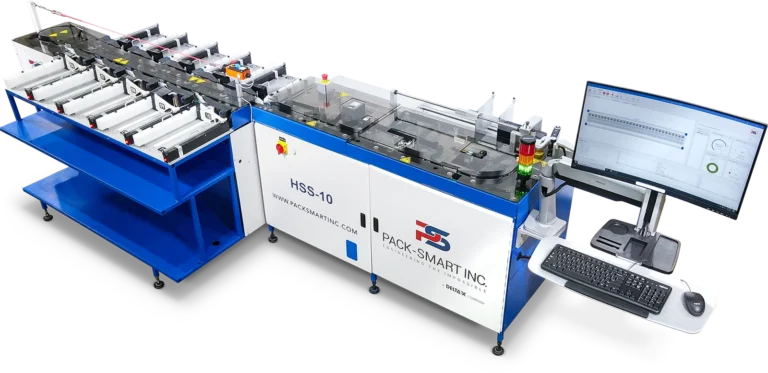
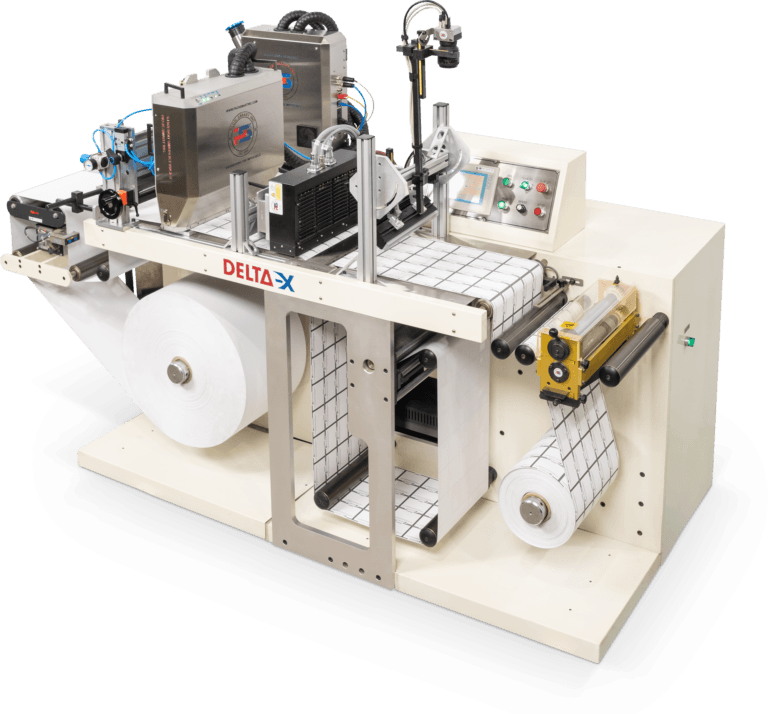
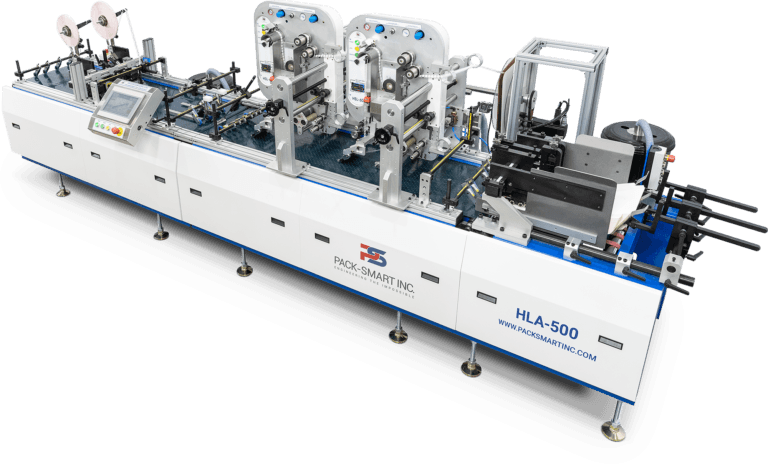
Pack-Smart configures modular systems that can combine product feeding, registration, variable data printing, label application, barcode or 2D-code reading, optical character verification, machine vision, reject handling, aggregation, and production reporting. Each stage is coordinated so identity remains connected to the physical product as it moves through the line.

The required architecture depends on the substrate, data source, marking method, code specification, placement tolerance, inspection standard, production rate, aggregation requirement, and surrounding workflow. The objective is not simply to create a mark, but to verify that each accepted item carries the intended information and that nonconforming items are contained.


Relevant Systems

Serialization & Labelling Systems for Specialty Print

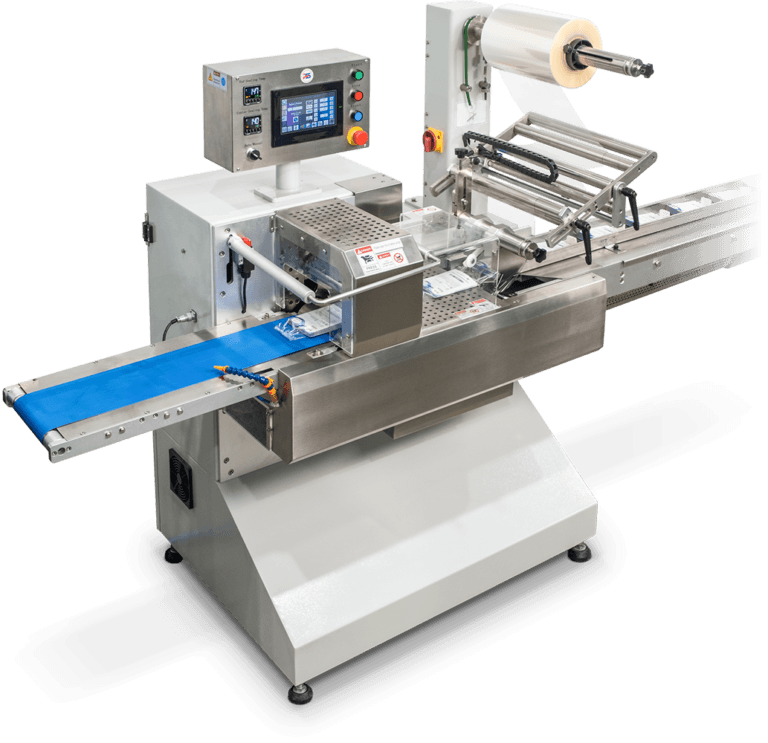
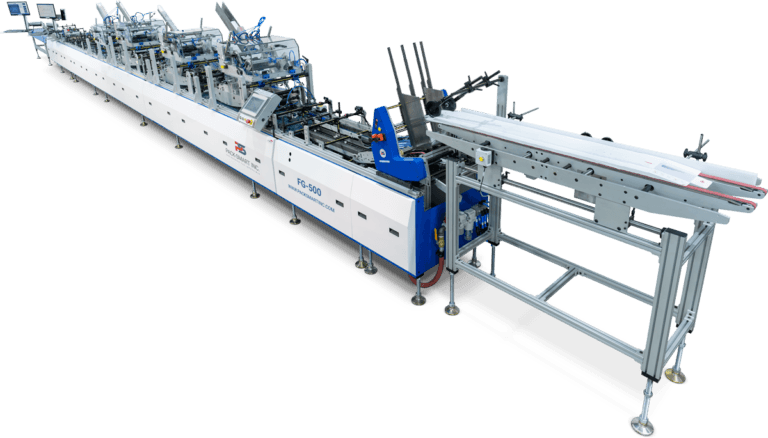
Explore Pack-Smart systems for applying variable data, labels, and serialized identifiers within specialty print finishing workflows. System configuration depends on substrate presentation, print or label position, data association, code verification, finishing sequence, line speed, and required production records.

Production Challenges

Where serialization and labelling lose traceability

A readable code is not enough when data, product position, label placement, inspection results, and reject events are not synchronized.

Data and product synchronization

Skipped, duplicated, out-of-order, or incorrectly assigned records can disconnect the digital identity from the physical printed product.

Changing graphics and surfaces

Artwork, coatings, foil, varnish, contrast, curvature, and reflectivity can affect printing, label adhesion, image capture, and code grading.

Restricted placement areas

Marks and labels must avoid folds, perforations, die-cut features, adhesive zones, variable artwork, and other areas that can damage or obscure information.

Reconciliation and aggregation

Rejected items, rework, bundle creation, and parent-child relationships must be controlled so production counts and data records remain aligned.

Application Fit

Common specialty print serialization and labelling applications

The system is configured around the physical product, data model, marking or labelling method, verification requirement, and required production record.

Serialized printed pieces

Apply and verify unique barcodes, 2D codes, human-readable data, or other identifiers on cards, mailers, documents, labels, and specialty print products.

Batch, lot, and job marking

Print and verify production-specific information while maintaining the required relationship to the job, batch, order, or manufacturing record.

Variable label application

Apply preprinted or inline-printed labels and confirm identity, position, presence, readability, and association with the carrier product.

Bundle and aggregate identification

Create verified groups of finished products, generate aggregate labels, and maintain the required parent-child relationship for downstream handling.

Frequently Asked Questions

Planning a specialty print serialization and labelling system

These are the questions manufacturers and production teams commonly ask when evaluating this application.

What types of variable data can be applied?

The system can be configured for barcodes, 2D codes, serial numbers, batch or lot data, human-readable text, graphics, and other job-specific information. The supported content depends on the selected print or labelling technology.

Can labels and direct printing be used in the same workflow?

Yes. Direct digital printing, preprinted labels, inline-printed labels, and multiple verification steps can be integrated when the product and data sequence require them.

How does the system verify a code or label?

Configured readers and vision tools can check presence, content, readability, grading, orientation, position, and agreement with the expected production record. Acceptance rules are defined for the application.

What happens to a failed product?

A nonconforming item can be tracked to a controlled reject path, with the event recorded for reconciliation. Reject confirmation and line-stop logic can be added where the risk assessment requires them.

Can the system create aggregate or bundle labels?

Yes. When grouping rules are defined, the system can count or scan accepted items, create a parent record, print an aggregate label, verify it, and associate the group with downstream data.

What information is needed for an application assessment?

Provide product samples, artwork, label specifications, code symbologies, data structure, placement tolerances, inspection standards, reject rules, aggregation requirements, target output, and integration details for data systems and surrounding equipment.

Application Assessment

Define the identity, marking, verification, and reporting workflow

Share the printed product, data requirements, marking or labelling method, code specification, acceptance criteria, reject rules, and aggregation needs. Pack-Smart can identify the modules and controls required to maintain identity through production.