Folding Cartons Application

Quality Inspection

Folding Carton Applications

Folding Carton Quality Inspection Systems for Defect Detection and Containment

A carton defect becomes more expensive after adhesive, components, machine capacity, labour, and finishing time have been added. Inspection must identify and contain non-conforming blanks or cartons at the appropriate production stage.

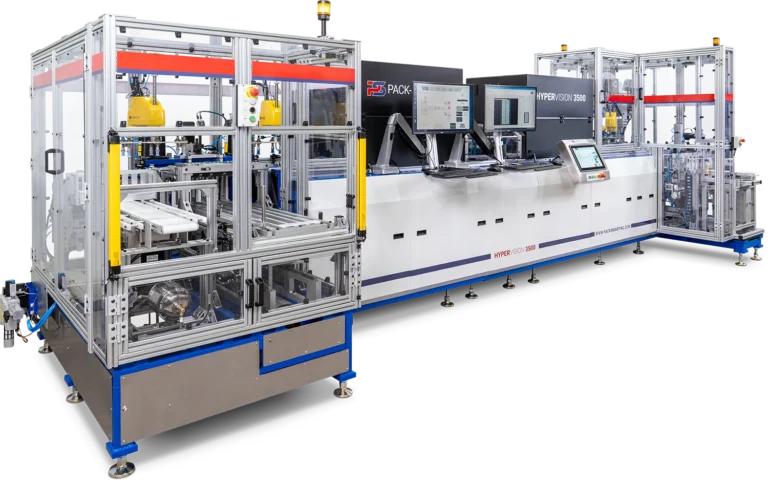
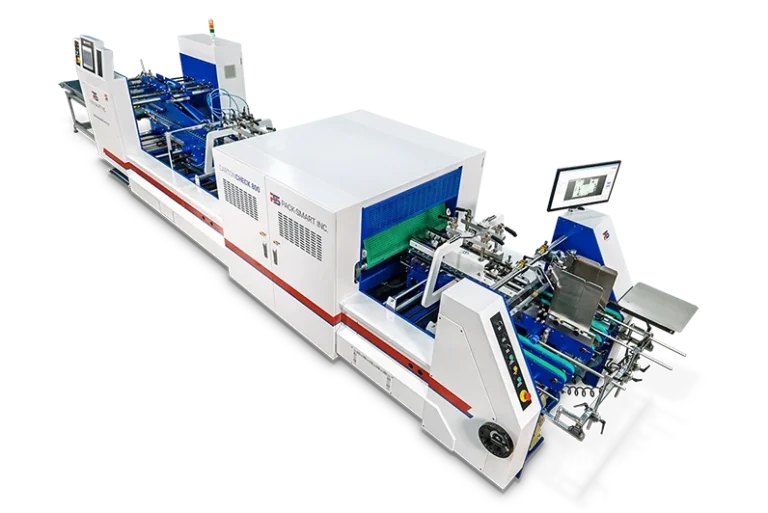
Pack-Smart configures modular folding carton inspection systems that can combine controlled feeding, stabilized transport, machine vision, barcode reading, print-to-reference comparison, variable-data verification, component inspection, reject handling, and production reporting. The final architecture depends on the carton, artwork, inspection area, defect criteria, line speed, and surrounding equipment.

Inspection becomes production control when every decision remains connected to the physical carton and an effective response. Defect classification, product tracking, rejection, line-stop logic, and production records help ensure that identified defects are contained before folding, gluing, packing, or release.


Relevant Systems

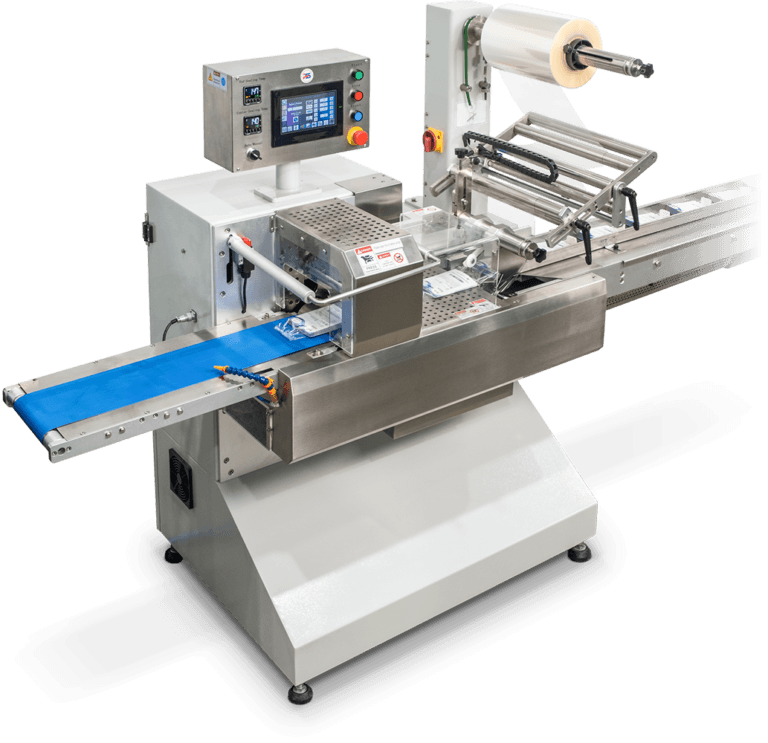
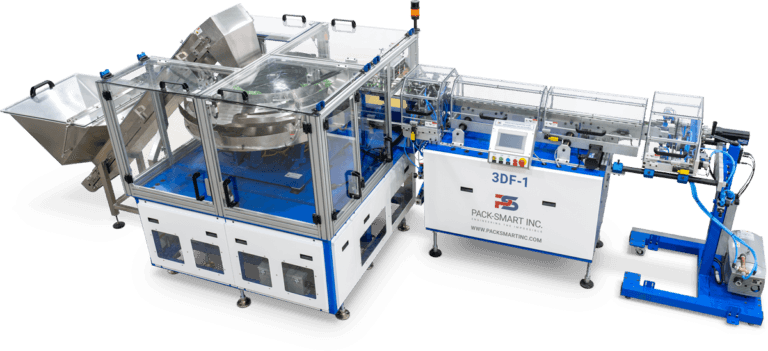
Quality Inspection Systems

Explore the Pack-Smart systems associated with this application. Final system configuration depends on the product, required output, inspection criteria, data requirements, and surrounding production line.

Production Challenges

Where folding carton inspection loses control

Reliable inspection depends on stable presentation, appropriate imaging, defined acceptance criteria, and a verified method for containing each failed carton.

Complex graphics and surface finishes

Foil, varnish, embossing, metallic inks, windows, and reflective coatings can create contrast and lighting challenges during image capture.

Expected artwork variation

Version changes, variable data, language panels, and approved format differences must be separated from actual print or content defects.

Unstable high-speed presentation

Skew, vibration, inconsistent spacing, and poor registration can reduce image quality or create unreliable inspection results.

Detected defects not contained

A correct inspection result has limited value if the failed carton cannot be tracked, rejected, recorded, and reconciled before downstream conversion.

Application Fit

Common folding carton quality inspection applications

The inspection method is selected around the carton, production stage, expected variation, required defect detection, and response to a failed result.

Pre-conversion blank inspection

Inspect flat carton blanks before folding and gluing so non-conforming material does not consume additional production resources.

Print and artwork verification

Evaluate graphics, colour, registration, contamination, marks, missing print, and defined differences from the approved reference.

Variable data and code inspection

Confirm text, identifiers, barcodes, and 2D codes against the expected production record and readability requirements.

Finished-carton and component inspection

Verify folds, glue areas, labels, windows, inserts, closures, and other defined structural or finishing conditions.

Frequently Asked Questions

Planning a folding carton quality inspection system

These are the questions manufacturers and production teams commonly ask when evaluating this application.

What carton defects can machine vision inspect?

Potential criteria include print defects, colour deviation, registration, contamination, marks, barcode readability, variable data, die-cut position, flap orientation, glue presence, folds, and component placement.

Can cartons be inspected before an existing folder-gluer?

Yes. A controlled inspection and reject process can be configured upstream of existing equipment when line height, product transfer, speed, controls, and bypass requirements are defined.

How does inspection handle different artwork versions?

Inspection recipes, reference files, variable-data rules, regions of interest, and tolerances can be configured for approved artwork and expected production variation.

Can the system inspect barcodes and 2D codes?

Yes. Code-reading tools can verify presence, readability, data content, association with the production record, and defined grading requirements.

What happens when a defect is detected?

The system can classify the result, track the affected carton, trigger rejection or a line response, record the event, and support reconciliation.

What information is needed for an inspection assessment?

Provide representative conforming and defective cartons, artwork, defect definitions, variable-data rules, tolerances, target throughput, presentation details, reject requirements, and surrounding-line information.

Application Assessment

Define what must be inspected and where each defect will be contained

Share representative cartons, approved artwork, known defects, acceptable tolerances, line speed, and reject strategy. Pack-Smart can identify the imaging, verification, containment, and integration architecture required for the application.