Flexible Packaging Application

Feeding and Batching

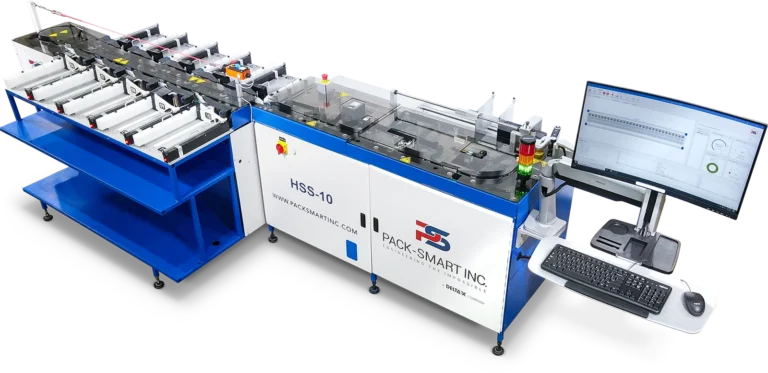
Flexible packaging feeding and batching systems separate, count, space, and group variable packs before downstream packaging, printing, inspection, or fulfilment. Pack-Smart Inc. coordinates infeed presentation with batching and line-control logic.

Flexible Packaging Applications

Flexible Packaging Feeding and Batching Systems for Controlled Counts and Downstream Release

Flexible packages cannot be counted, grouped, inspected, or packed consistently until each item can be separated, stabilized, and released at a rate matched to the downstream process.

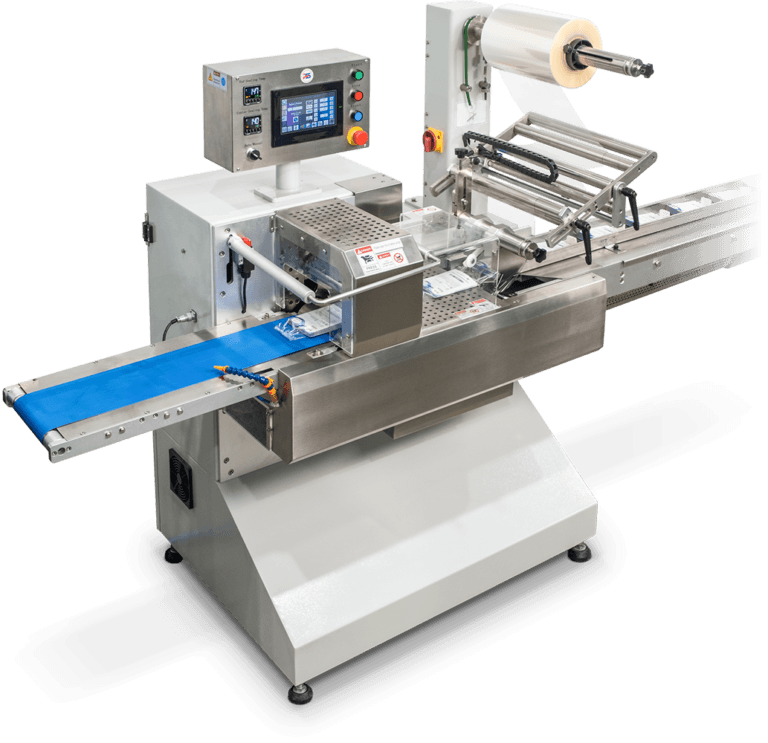
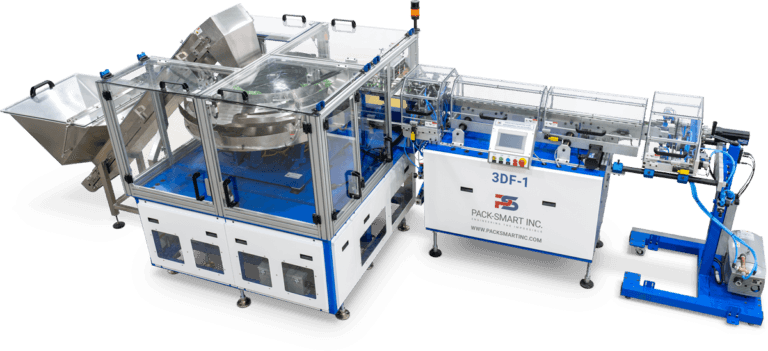
Pack-Smart configures modular flexible packaging feeding and batching systems that can combine product loading, separation, registration, counting, buffering, stacking, batching, wrapping, inspection, and delivery. The final architecture depends on the pouch, sachet, packet, or wrapped product; its physical behaviour; the required batch quantity; target output; and downstream equipment.

Flexible materials may cling, overlap, deform, shift, or present inconsistent leading edges. The feeding system must create repeatable product presentation while batching logic maintains the required quantity, group structure, and release timing without starving or overloading the next process.


Relevant Systems

Feeding & Batching Systems for Flexible Packaging

Explore Pack-Smart systems for feeding, separating, counting, and batching flexible packs while maintaining controlled presentation. System architecture depends on material stiffness, friction, pack dimensions, infeed condition, batch logic, verification requirements, throughput, and downstream packaging.

Production Challenges

Where flexible packaging feeding and batching lose control

The system must account for both the changing physical behaviour of flexible products and the fixed quantity and timing required by downstream packaging.

Clinging and double feeds

Thin films, static, surface friction, and package compression can cause products to cling or release together instead of separating cleanly.

Variable package shape

Product fill, seal geometry, trapped air, wrinkles, and flexible edges can change how each package moves, registers, and stacks.

Inconsistent downstream demand

Gaps, surges, and short interruptions can starve the packaging process or create uncontrolled product accumulation without effective buffering.

Incorrect batch quantities

A missed, duplicated, rejected, or poorly registered product can create an incomplete batch unless the count is verified before release.

Application Fit

Common flexible packaging feeding and batching applications

The system configuration is selected around the individual package, required batch structure, refill method, inspection criteria, and next production task.

Pouches and sachets

Separate, count, orient, and release sealed flexible packages for cartoning, wrapping, bundling, inspection, or pack-out.

Medical and pharmaceutical packets

Create controlled counts of individual packets or pouches before secondary packaging and required verification steps.

Samples and promotional products

Feed and batch flexible samples, coupons, inserts, and promotional packets for distribution or combination with other products.

Grouped products for final packaging

Build verified stacks or batches before flow wrapping, cartoning, labelling, bundling, or another downstream operation.

Frequently Asked Questions

Planning a flexible packaging feeding and batching system

These are the questions manufacturers and production teams commonly ask when evaluating this application.

How are flexible packages separated reliably?

The handling method depends on the product. Friction feeding, vacuum transport, guides, belts, sensing, controlled acceleration, and other mechanisms can be combined after representative products are tested.

Can the system handle packages with different fill levels?

Potentially. The acceptable range depends on how changes in thickness, weight, trapped air, seal geometry, and product distribution affect feeding, registration, stacking, and inspection.

How are batch quantities verified?

Electronic counting, product sensing, barcode reading, machine vision, and weight verification can be configured to confirm the expected quantity before a batch advances.

Why is buffering important?

Buffering separates variable product feeding from downstream demand. It helps absorb short interruptions, reduce starvation, and release complete batches at the required timing.

Can one system support different batch quantities?

Yes, when the approved quantities fall within the mechanical and control range of the system. Recipe changes, guide adjustments, tooling, or product-specific setup may be required.

What information is needed for an application assessment?

Provide representative products, acceptable variation, refill method, batch quantities, target throughput, required orientation, inspection criteria, reject strategy, changeover expectations, and downstream equipment details.

Application Assessment

Start with the flexible package, required count, and downstream demand

Share representative products, required batch quantities, target output, handling restrictions, and downstream process. Pack-Smart can identify the feeding, buffering, counting, verification, and delivery modules required for the application.