Corrugated Application

Serialization and Labelling

Corrugated serialization and labelling systems apply and verify variable identity, labels, barcodes, or other production data on corrugated formats. Pack-Smart Inc. connects application, reading, inspection, and production records around the moving package.

Corrugated Applications

Corrugated Serialization and Labelling Systems for Controlled Product Identity and Aggregation

A printed code or applied label creates value only when the correct data is associated with the correct physical package, verified after application, and preserved through aggregation and delivery.

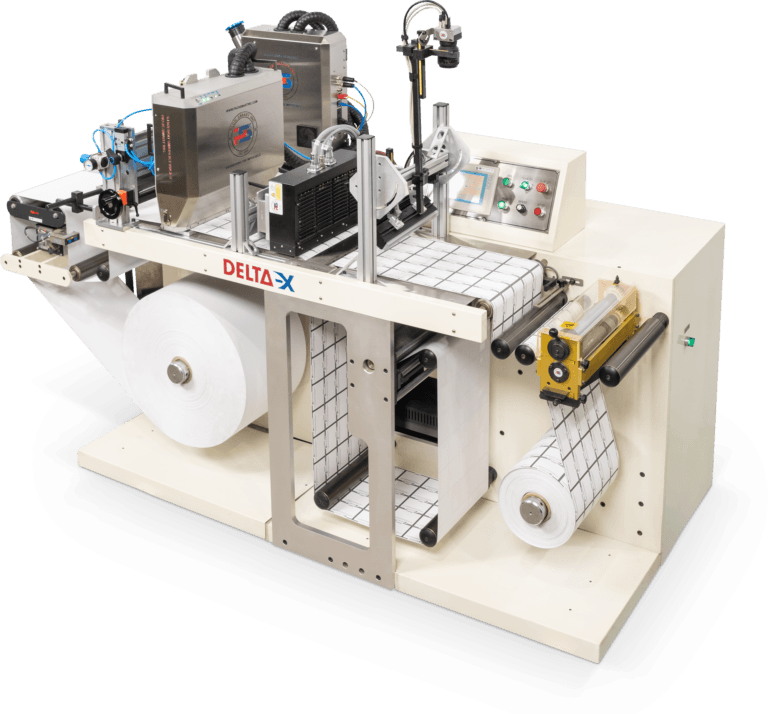
Pack-Smart configures modular corrugated serialization and labelling systems that can combine blank or package feeding, registration, variable-data printing, label application, barcode and 2D-code reading, machine vision, reject handling, aggregation, and production reporting. The final architecture depends on the package format, data source, marking method, label construction, code requirements, line speed, and downstream process.

Corrugated surfaces introduce variation in flatness, texture, colour, coating, and presentation. The system must control where the data is printed or the label is applied, verify that the result is readable and correct, then maintain the relationship between individual packages and any higher-level batch, bundle, or shipping record.


Relevant Systems

Serialization & Labelling Systems for Corrugated Packaging

Explore Pack-Smart systems for applying labels, variable data, serialized identifiers, and production information to corrugated packaging. System architecture depends on blank presentation, print or label position, code requirements, verification, traceability logic, line speed, and downstream finishing.

Production Challenges

Where corrugated serialization and labelling lose control

The primary risk is losing the connection between production data, the physical corrugated package, the verified marking result, and the downstream aggregate.

Data-to-package synchronization

A missed feed, double feed, rejected package, or line interruption can shift variable data away from the intended physical product.

Variable corrugated surfaces

Texture, flute profile, dust, coating, colour, and uneven surfaces can affect print quality, label adhesion, image contrast, and code readability.

Label placement interference

Labels placed across scores, edges, seams, openings, or uneven areas may lift, wrinkle, distort, or interfere with folding and closing.

Aggregation and reconciliation gaps

Rejected, duplicated, or missing packages can create an incorrect relationship between individual identifiers and the final batch, bundle, or shipping unit.

Application Fit

Common corrugated serialization and labelling applications

The system configuration is selected around the corrugated package, variable-data requirement, marking or labelling method, verification criteria, and downstream aggregation process.

Variable shipping and logistics labels

Apply and verify destination, routing, order, handling, or other variable information on corrugated cases and shipping packages.

Serialized retail and display packaging

Assign and verify unique identifiers on retail-ready packages, promotional formats, and point-of-purchase displays.

Batch, lot, and production marking

Print or apply production-specific information and confirm that the expected data is present, legible, and associated with the correct package.

Package aggregation and pack-out

Associate individual package identifiers with a bundle, case, shipment, or other defined aggregate record before final delivery.

Frequently Asked Questions

Planning a corrugated serialization and labelling system

These are the questions manufacturers and production teams commonly ask when evaluating this application.

Can variable data be printed directly on corrugated packaging?

Potentially. Direct printing depends on the board surface, coating, colour, print area, data content, required resolution, code criteria, and product presentation. Representative samples should be tested.

When should a label be used instead of direct printing?

A label may be appropriate when the corrugated surface cannot support the required print quality, when a pre-defined label construction is required, or when the application needs a separate functional or identification element.

What types of codes can be verified?

The system can be configured around common linear barcodes, 2D codes, human-readable text, and other defined identifiers when the symbology, data structure, grading requirement, and verification rules are provided.

How is the correct data associated with each package?

The production record can be assigned at a controlled feed or identification point and tracked through printing or labelling, inspection, rejection, aggregation, and final delivery.

Can individual packages be associated with a larger shipping unit?

Yes. Verified identifiers can be associated with a batch, bundle, case, shipment, or other aggregate record when the required hierarchy, data exchange, and reconciliation rules have been defined.

What information is needed for an application assessment?

Provide representative corrugated materials, package formats, label samples, data structures, code requirements, placement areas, target throughput, verification criteria, reject strategy, aggregation rules, and system-interface requirements.

Application Assessment

Define how each physical package will be identified, verified, and aggregated

Share the corrugated package, variable data, marking or label requirements, code criteria, and aggregation rules. Pack-Smart can identify the printing, application, verification, rejection, and reporting modules required for the workflow.