Corrugated Application

Finishing and Reinforcement

Corrugated Applications

Corrugated Finishing and Reinforcement Systems for Controlled Component Placement and Structural Performance

Corrugated packaging often requires more than printing, cutting, and folding. Reinforcements, clips, windows, labels, and functional components must be added in the correct location without damaging the blank or disrupting downstream conversion.

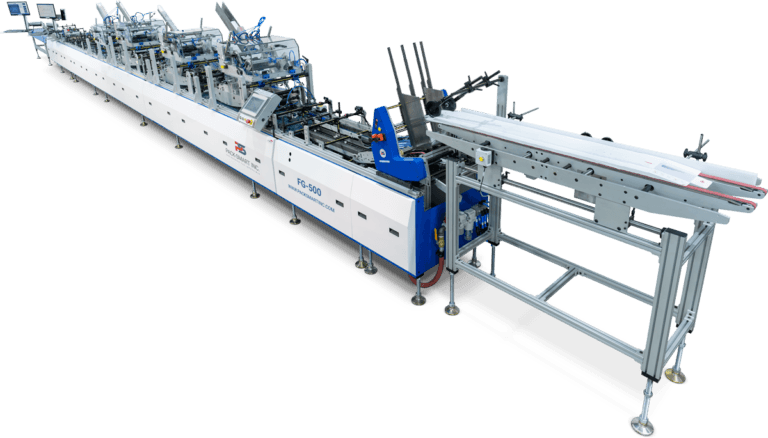
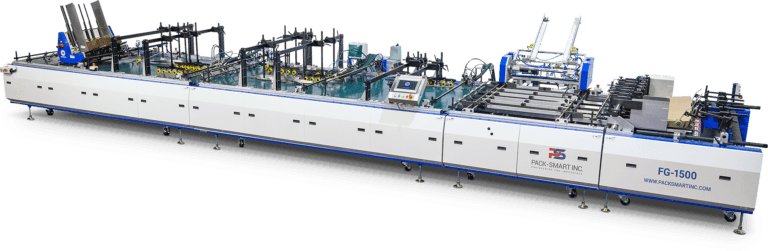
Pack-Smart configures modular corrugated finishing systems that can combine blank feeding, registration, component feeding, pick-and-place handling, adhesive application, affixing, folding, inspection, reject handling, and delivery. The final architecture depends on the board construction, blank size, component geometry, placement tolerance, attachment method, and finished-package requirement.

Large or flexible blanks must remain registered while secondary materials are presented, positioned, and secured. Verification must confirm that each required component is present, correctly oriented, and placed within the acceptable area before the blank advances into folding, gluing, or final pack-out.


Relevant Systems

Corrugated Finishing & Reinforcement Systems

Explore Pack-Smart systems for reinforcement, affixing, finishing, and controlled placement of added corrugated components or structures. System architecture depends on blank size, board construction, reinforcement geometry, placement tolerance, adhesive process, inspection requirements, and line speed.

Production Challenges

Where corrugated finishing and reinforcement lose control

Reinforcement becomes unreliable when the blank, secondary component, adhesive, and downstream fold sequence are not controlled as one process.

Large or unstable corrugated blanks

Warp, flute direction, surface variation, and blank size can affect registration and make accurate component placement difficult.

Irregular secondary components

Clips, rigid windows, inserts, labels, and reinforcing pieces may require different feeding, orientation, and handling methods.

Placement and attachment variation

Incorrect adhesive patterns, missed components, skewed placement, or incomplete bonding can reduce the intended function or strength of the package.

Downstream interference

A correctly selected component can still interfere with scores, folds, glue areas, or closure features when its position is not coordinated with the final structure.

Application Fit

Common corrugated finishing and reinforcement applications

The system configuration is selected around the corrugated structure, required secondary component, attachment method, placement tolerance, and downstream converting process.

Point-of-purchase displays

Add structural supports, locking components, clips, display features, and reinforced areas before folding and final assembly.

Rigid windows and presentation features

Place transparent panels or rigid inserts onto registered corrugated blanks while protecting visible surfaces from marks or damage.

Structural reinforcement inserts

Affix reinforcing pieces at load-bearing, high-wear, closure, or connection points before the package is folded and glued.

Functional labels and components

Apply labels, identification elements, reclosure features, and other functional components within the required placement area.

Frequently Asked Questions

Planning a corrugated finishing and reinforcement system

These are the questions manufacturers and production teams commonly ask when evaluating this application.

What components can be added to corrugated packaging?

Potential components include reinforcement inserts, clips, rigid windows, labels, locking elements, reclosure features, identification elements, and other secondary materials. Product testing is required to confirm the handling and attachment method.

How are secondary components fed and oriented?

The method depends on component geometry and presentation. Friction feeding, magazine feeding, vibratory feeding, pick-and-place handling, guides, and sensing can be combined to create the required orientation.

What attachment methods can be used?

Depending on the component and package, the process may use cold glue, hot melt, pressure-sensitive adhesive, tape, mechanical engagement, or another engineered attachment method.

How is reinforcement placement verified?

Sensors or machine vision can be configured to confirm component presence, orientation, position, adhesive condition, and another defined acceptance criterion before downstream folding or delivery.

Can finishing be integrated with folding and gluing?

Yes. Component placement, reinforcement, folding, gluing, inspection, and delivery can be combined in one modular workflow when the blank path and process sequence have been defined.

What information is needed for an application assessment?

Provide representative blanks and components, structural drawings, board specifications, placement tolerances, attachment requirements, target throughput, inspection criteria, acceptable variation, and details about upstream and downstream equipment.

Application Assessment

Define the component, attachment method, and final structural requirement

Share the corrugated blank, reinforcement or finishing component, required placement, attachment method, and downstream fold sequence. Pack-Smart can identify the feeding, affixing, verification, and delivery modules required for the application.