Web Application

Serialization

Web Applications

Web Serialization Systems for Controlled Variable Data and Verified Product Identity

A continuous web becomes a sequence of individual product identities, often across multiple lanes, and every printed identifier must remain connected to the correct repeat, inspection result, and production record.

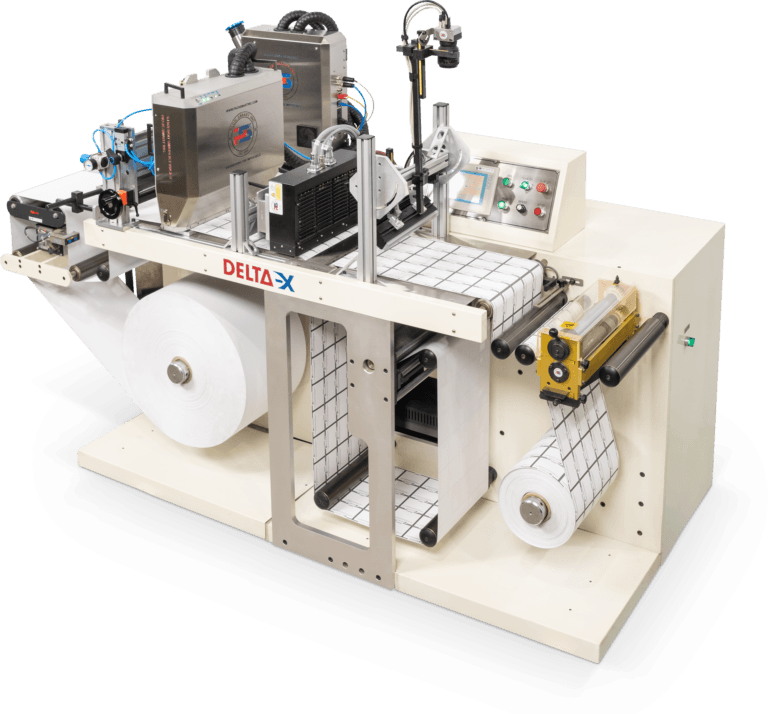
Pack-Smart configures modular web serialization systems that can combine web control, repeat registration, database-driven variable printing, ink curing, barcode or 2D-code reading, optical character verification, line-scan inspection, defect tracking, reconciliation, and production reporting. Data and motion are synchronized so each accepted mark can be associated with its intended location on the web.

The architecture depends on the substrate, web width, lane count, repeat length, code specification, data source, print quality requirement, target speed, splice strategy, and downstream converting process. The objective is to maintain identity through starts, stops, waste, splices, rejects, and roll changes without losing the relationship between the digital record and the physical product position.


Relevant Systems

Serialization Systems for Web Production

Explore Pack-Smart systems for applying serialized and variable production data to continuous web processes while maintaining registration and verification. Final configuration depends on substrate, web speed, print position, data requirements, code inspection, reconciliation, and downstream converting.

Production Challenges

Where web serialization loses identity control

Serialization fails when data order, lane position, web registration, inspection results, and physical waste are not reconciled as one production record.

Multi-lane data sequencing

Each identifier must be assigned to the correct lane and repeat, even when lanes are disabled, material is removed, or the web is later slit into separate rolls.

Web movement and print registration

Stretch, drift, tension changes, encoder error, or inconsistent repeat marks can move variable content outside its approved print area.

Print quality at production speed

Ink behaviour, curing time, surface energy, contrast, speed, and vibration can affect code readability and the consistency of human-readable data.

Splice, restart, and waste reconciliation

Printed identities created during setup, stoppage, splice handling, or removed waste must be accounted for so unused and accepted records are not confused.

Application Fit

Common web serialization applications

The system is configured around the web material, lane and repeat structure, variable data, code standard, verification requirement, and downstream conversion workflow.

Serialized pressure-sensitive labels

Print and verify unique codes, serial numbers, or variable text across one or more lanes while maintaining the identity of each label position.

Flexible packaging identification

Apply batch, lot, product, promotional, traceability, or unique identity data to roll-fed packaging before forming or final conversion.

Security and regulated print

Create verified machine-readable and human-readable identifiers where sequence control, defect records, and production evidence are required.

Roll-to-roll personalization

Add database-driven variable content to preprinted web material and maintain a record of printed, verified, failed, and unused identities.

Frequently Asked Questions

Planning a web serialization system

These are the questions manufacturers and production teams commonly ask when evaluating this application.

What types of data can be printed on a web?

The system can be configured for barcodes, 2D codes, serial numbers, batch or lot information, human-readable text, graphics, and other database-driven content. Supported data and image formats depend on the selected print technology and workflow.

How are identifiers assigned across multiple lanes?

The lane map, repeat pattern, web direction, print order, and downstream slitting plan are defined before production. The control system then assigns each data record to a specific physical position and tracks its inspection status.

How is serialized print verified?

Configured readers and vision tools can verify code presence, content, readability, grading, position, sequence, and agreement with the expected data record. Acceptance rules are established for the application.

How are splices and production restarts handled?

Defined workflow rules identify the affected web section, pause or adjust data issuance, mark waste boundaries, and reconcile identities created before and after the event. The exact method depends on the converting process and data requirements.

Can serialization integrate with existing converting equipment?

Yes. Integration can include speed and encoder signals, start-stop control, register inputs, job data, defect outputs, roll identifiers, and production reporting when the mechanical and communication interfaces are defined.

What information is needed for an application assessment?

Provide web samples, roll specifications, width, lane layout, repeat length, artwork, variable-data structure, code standards, print area, target speed, inspection criteria, splice rules, waste handling, and data and equipment integration requirements.

Application Assessment

Define the data, web position, and production record

Share the web material, lane and repeat layout, variable-data requirements, code standards, target speed, verification rules, splice strategy, and downstream process. Pack-Smart can identify the printing, inspection, tracking, and reconciliation architecture required for the application.