3D Product Application

Serialization and Labelling

3D product serialization and labelling connects variable identity, code or label application, verification, and product handling within the production line. Pack-Smart helps preserve the association between the physical product, applied identity, and production record.

3D Product Applications

Product Serialization and Labelling Systems Built Around Verification

A readable code or correctly positioned label is only one part of the requirement. The line must also control which identifier was assigned, where it was applied, whether it was verified, and how exceptions were contained.

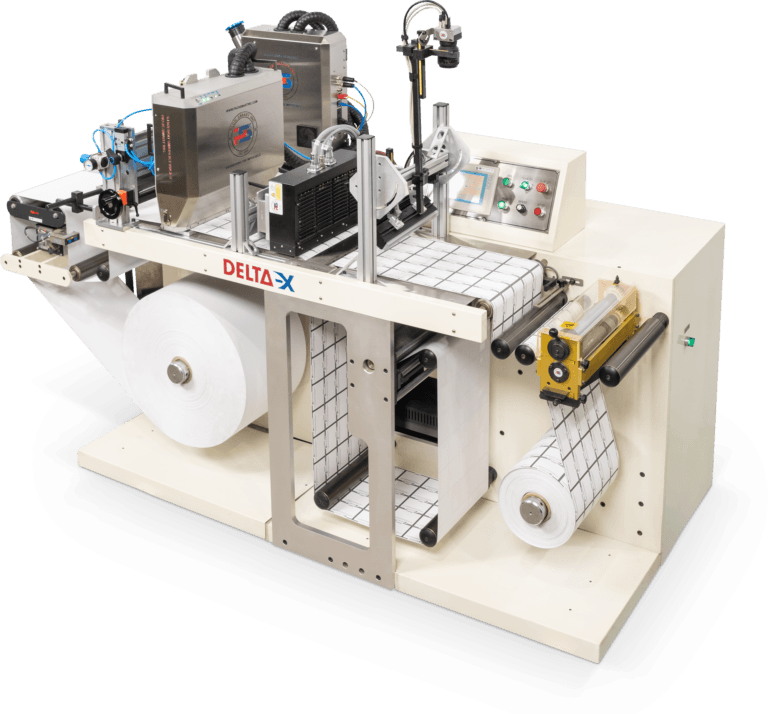
Pack-Smart integrates variable printing, print-and-apply labelling, barcode and data reading, machine vision, product tracking, reject handling, and production reporting within modular packaging workflows. For three-dimensional products, the system must also manage product presentation, surface geometry, label placement, and the physical association between the identifier and the correct unit or package.

The objective is a defensible production record. Serialization and labelling should support line-level verification and reconciliation, not create a disconnected code that cannot be reliably tied back to the production event.


Relevant Systems

Serialization & Labelling Systems for 3D Products

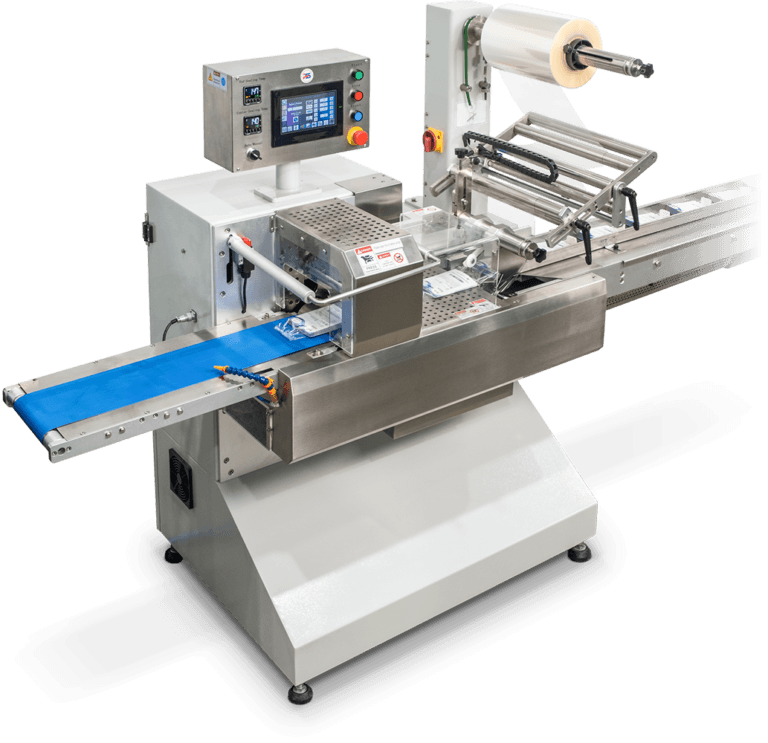
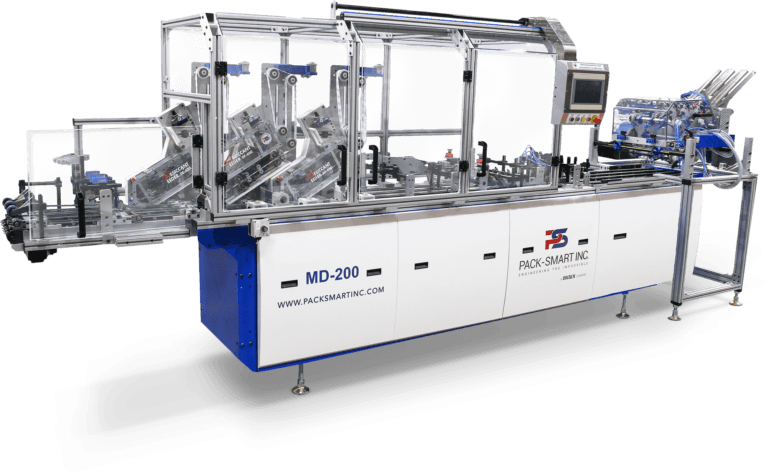
Explore Pack-Smart systems for applying labels, variable data, serialized identifiers, and production information to 3D products or their packaging. System architecture depends on product presentation, print or label position, data requirements, code verification, traceability logic, throughput, and downstream handling.

Production Challenges

Where serialization and labelling lose integrity

The control problem is not limited to print quality. Identity, product flow, verification, and exception handling must remain synchronized throughout production.

Identifier and product mismatch

A valid identifier can still be associated with the wrong physical unit or package if product tracking and data issuance are not synchronized.

Unreadable or misplaced information

Surface geometry, label presentation, print contrast, movement, and application accuracy can affect whether information is readable and correctly positioned.

Uncontrolled rejects and rework

A failed read or application must trigger defined reject, remake, and reconciliation logic. Otherwise, the production record can diverge from physical output.

Disconnected production data

Printing and scanning alone do not create traceability. Production events must be recorded and connected to the governed identity or order data used by the line.

Application Fit

Common serialization and labelling use cases

The appropriate control model depends on the packaging level, data source, identifier type, verification requirement, and downstream traceability need.

Serialized kits and packages

Apply variable identifiers during assembly or packaging and verify the result before the product advances.

Variable label application

Generate or receive product-specific label data, apply the label to the defined surface, and confirm presence and readability.

Bundle, case, and pallet labels

Create and verify aggregate labels that connect grouped products to the correct packaging level and production record.

Traceable product workflows

Coordinate product identity, variable data, inspection outcomes, and production events where downstream traceability matters.

Frequently Asked Questions

Planning a product serialization and labelling system

These are the questions manufacturers and production teams commonly ask when evaluating this application.

Does a readable barcode prove that a product is authentic?

No. A readable barcode can locate or carry data, but authenticity depends on how the identifier was issued, applied, verified, associated with the physical product, and governed within the production record.

How can an identifier be verified after printing or labelling?

A configured reader or vision system can check presence, readability, expected content, print quality, or placement. The required verification rules depend on the code, label, substrate, and production standard.

What happens when a code cannot be read or a label is missing?

The production logic should identify the exception, divert or stop the affected product as required, and preserve the information needed for controlled remake and reconciliation.

Can the system use identifiers supplied by another platform?

Yes, subject to interface review. The source format, transfer method, allocation rules, status updates, security requirements, and reconciliation response must be defined before integration.

Can labels be applied to irregular three-dimensional products?

Potentially. The available surface, product orientation, label material, adhesive, application force, presentation method, and inspection access must be evaluated with representative samples.

What is required for a serialization and labelling assessment?

Provide product and label samples, code specifications, data-source details, required production rate, application tolerances, verification rules, reject and remake requirements, aggregation levels, and reporting expectations.

Application Assessment

Define the identity control problem before selecting the hardware

Share the product, identifier, data source, required packaging level, verification rules, and exception process. Pack-Smart can evaluate the printing, application, inspection, tracking, and reconciliation architecture as one production system.