Technology Category

Drying & Curing

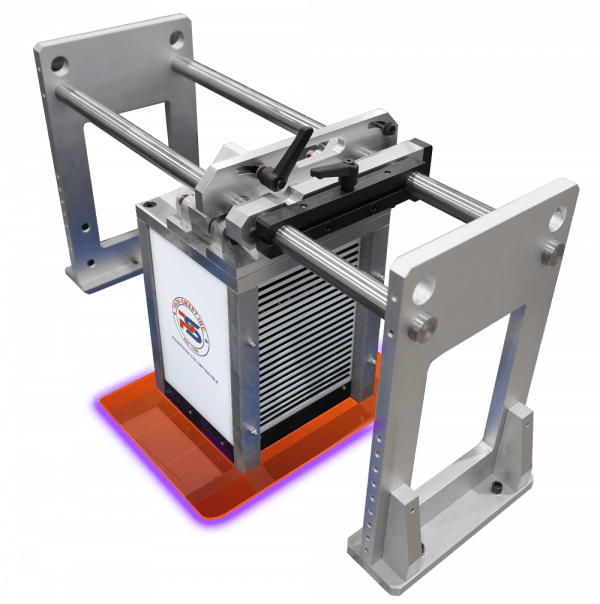
Drying and curing technologies stabilize inks, coatings, and adhesives before products reach inspection, folding, stacking, contact surfaces, or pack-out. Pack-Smart Inc. integrates IR, UV, and LED curing around the material, chemistry, speed, and downstream process.

Drying & Curing Technologies

Drying and Curing Technologies for Controlled Ink, Coating, and Adhesive Processing

Drying and curing have to convert a wet or reactive process into a stable condition before the product reaches inspection, contact surfaces, folding, stacking, or pack-out.

Pack-Smart integrates drying and curing technologies with digital printing, coating, adhesive application, web handling, and finishing operations. The process can be positioned immediately after the applied material so energy, exposure, airflow, and product transport are coordinated before the surface reaches the next contact point.

The required architecture depends on ink, coating, or adhesive chemistry; substrate sensitivity; application thickness; line speed; exposed area; heat tolerance; and the level of cure or drying needed for the next production operation. The objective is controlled process completion without overheating, distortion, marking, or unnecessary dwell.


Technology Category

Drying & Curing Technologies

Explore the Pack-Smart technologies assigned to this category. A category can include multiple technologies with different functions, configurations, and application requirements.

Relevant Systems

Where this technology is used

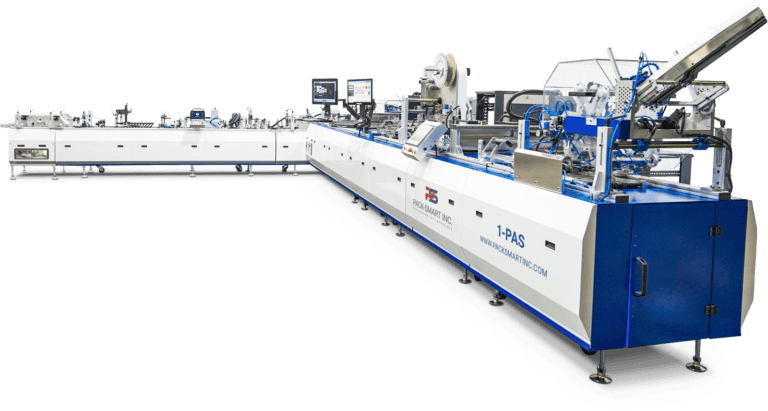
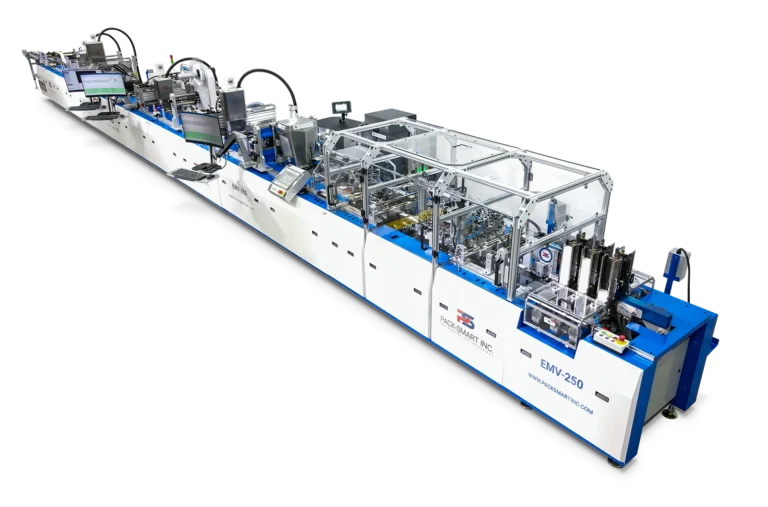
The technologies in this category are used in the following Pack-Smart automated systems.

Production Challenges

Where drying and curing lose process stability

Process stability depends on matching the drying or curing method to the applied chemistry, substrate, line speed, and downstream contact requirement.

Insufficient exposure at production speed

Higher line speed reduces available dwell, which can leave ink, coating, or adhesive unstable before the next operation.

Heat-sensitive substrates and components

Films, plastics, coatings, adhesives, electronics, or dimensional features can distort or change when the thermal load is not controlled.

Uneven energy or airflow distribution

Variations across the product or web can produce inconsistent drying or cure, especially with wide coverage or changing application density.

Downstream contact before the surface is stable

Belts, rollers, guides, folding tools, or stacked products can mark or transfer material when the process has not reached the required condition.

Application Fit

Common drying and curing applications

The process is selected around the applied material, substrate, production speed, available footprint, and downstream handling condition.

UV ink curing after variable printing

Integrate compatible UV curing immediately after digital or variable printing so marked products can proceed to inspection and finishing.

Coating process stabilization

Dry or cure compatible coatings before product contact, winding, stacking, folding, or other downstream operations.

Adhesive process support

Use application-specific drying or curing where the selected adhesive system requires controlled energy or airflow before further handling.

Web and sheet finishing lines

Coordinate curing with registration, inspection, die cutting, slitting, folding, and delivery in multi-stage finishing workflows.

Frequently Asked Questions

Planning drying & curing integration

These are the questions manufacturers and production teams commonly ask when evaluating this application.

What products or materials can drying & curing support?

Suitability depends on the applied ink, coating, or adhesive and the substrate. Chemistry, application thickness, surface, heat sensitivity, product geometry, and line speed must be evaluated together.

Can drying & curing be integrated into an existing production line?

Potentially. Integration depends on available space, product path, line controls, speed synchronization, guarding, utilities, and the upstream and downstream equipment. Pack-Smart evaluates the complete process before defining the interface.

How is drying & curing verified during production?

The line can monitor lamp or process state, product presence, speed, temperature, and other defined process parameters. Final cure or dryness claims require a validation method appropriate to the material and acceptance requirement.

What happens when the process falls outside the defined acceptance criteria?

The response is application-specific. The control system can identify the affected product or process state and trigger a controlled reject, alternate route, alarm, hold condition, or line stop when that response is required.

How are product or job changeovers managed?

Changeover requirements depend on product range and module configuration. Mechanical adjustments, recipes, guides, sensors, tooling, and control parameters can be designed around repeatable setup and clear line-clearance requirements.

What information is needed for an application assessment?

Provide the substrate, ink or coating specification, application coverage and thickness, target speed, temperature limits, required downstream condition, available footprint, and any approved validation method for cure or dryness.

Technology Assessment

Define the chemistry, substrate limits, and required exit condition

Share the substrate, applied material, coverage, target speed, heat limits, and next production operation. Pack-Smart can identify the drying or curing, transport, monitoring, and integration approach required to protect downstream process stability.