CC-800

Folding Carton Vision
Inspection & Defect
Containment

Inspect, classify, and divert non-conforming carton blanks before they reach your folding, gluing or downstream process.

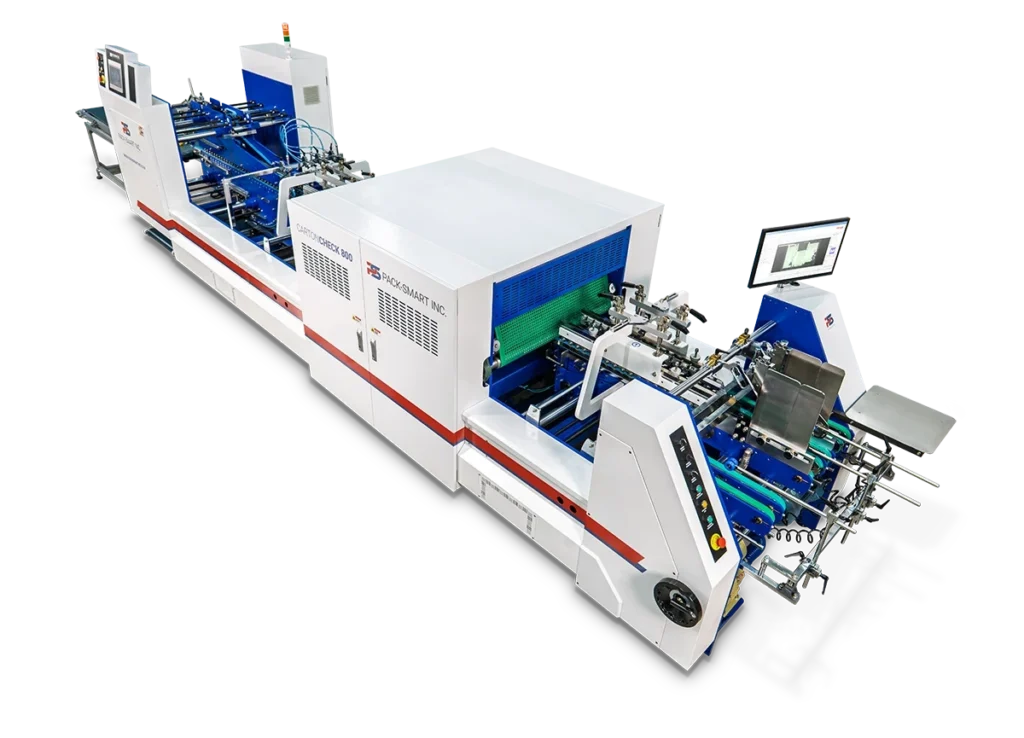
The CC-800 combines controlled feeding, stabilized transport, machine vision, and bridge module to integrate inspection and reject handling ahead of existing downstream equipment. This contains defects before they consume adhesive, machine capacity, labour, or packaging materials.
Up to 30,000
Cartons / Hour

AI Defect
Classification

PDF Artwork
Verification

8K Vision
Inspection

Delta-X (DXT)
Tracker Ready

100% Carton Blank
Inspection

Folding carton defects become harder and more expensive to contain after folding, gluing, packing, or release. A print error, registration shift, surface mark, incorrect code, or mixed carton can move through several production stages before the condition is discovered.

The CC-800 folding carton inspection system creates an control point ahead of the existing downstream line. Flat carton blanks are separated, stabilized, inspected, and evaluated against the active job criteria. A bridge module then transfers accepted cartons toward the folder-gluer, or downstream equipment while divert technology removes non-conforming cartons from the production flow.
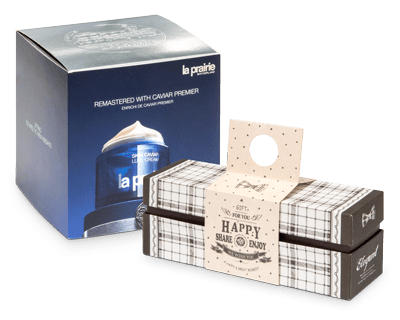
Folding Cartons
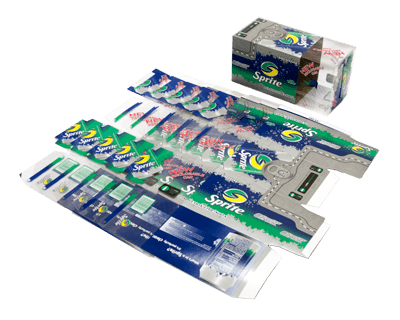
Paper & Corrugated Material


  • Inspect carton blanks before they enter the downstream folder-gluer process.
  • Evaluate configured attributes such as print completeness, registration, colour variation, surface condition, orientation, codes, artwork, and variable data.
  • Identify mixed cartons, incorrect artwork, wrong-job conditions, and other defined inspection exceptions.
  • Divert non-conforming cartons before they consume additional materials, labour, machine time, or finishing capacity.
  • Prevent a known inspection failure from being treated as acceptable downstream output.
  • Use the touchscreen HMI to select jobs, load recipes, review system status, and manage inspection parameters.
  • Store job-specific inspection criteria to support repeatable setup across recurring carton formats.
  • Review live images and defect results to understand why a carton was accepted or rejected.
  • Adjust inspection tolerances according to approved production requirements.
  • Access diagnostics, alarms, job information, and available reporting functions from one operator environment.
  • Add carton inspection ahead of existing folder-gluer equipment without replacing the downstream machine.
  • Remove the standard standalone outfeed in the inline configuration.
  • Install a Pack-Smart-engineered bridge module between the inspection enclosure and the downstream equipment.
  • Transfer accepted carton blanks through the bridge into the existing production line.
  • Divert non-conforming cartons within the bridge section before they reach folding, gluing.
  • Configure the mechanical, electrical, control, height, direction, and speed interface around the existing production environment.

See how the CC-800 Folding Carton Vision Inspection & Defect Containment feeds, stabilizes, inspects,
evaluates, diverts, and transfers folding carton blanks.

 
  • Folding Carton Vision Inspection: Captures and evaluates defined carton attributes before the blank enters downstream folding, gluing.
  • Controlled Carton Feeding: Separates and presents flat carton blanks consistently for transport and inspection.
  • Stabilized Transport: Maintains carton position through the imaging area to support repeatable image capture and controlled movement.
  • Controlled Illumination: Establishes consistent imaging conditions across printed, coated, reflective, embossed, foiled, and variable carton surfaces.
  • Print and Artwork Inspection: Identifies configured conditions such as missing print, artwork deviations, registration shifts, colour variation, marks, contamination, and incomplete printed elements.
  • Code and Data Verification: Supports inspection of configured 1D codes, 2D codes, static text, variable data, serial numbers, and job identifiers.
  • Recipe-Based Inspection: Stores inspection regions, tolerances, thresholds, and job criteria for repeatable production setup.
  • Defect Decision Logic: Evaluates detected conditions against the active recipe and determines whether each carton continues or is diverted.
  • Pack-Smart Bridge Module: Replaces the standard outfeed in an inline installation and connects the inspection system to existing folder-gluer or downstream equipment.
  • Integrated Divert Handling: Removes non-conforming cartons after inspection and before they enter downstream production.
  • Controlled Downstream Transfer: Maintains the accepted carton path from the vision inspection system into the existing line.
  • Touchscreen HMI: Provides operator access to system setup, recipe selection, inspection controls, diagnostics, alarms, and defect review.
  • Modular System Architecture: Allows feeding, transport, inspection, bridge transfer, divert handling, controls, and downstream interfaces to be configured around the application.
  • Production Data Integration: Configured systems can connect inspection events, reject activity, defect records, and reporting with Pack-Smart production-data tools.
  • Primary Application: Inspection of flat folding carton blanks.
  • System Type: Modular folding carton vision inspection system.
  • Primary Installation: Inline ahead of existing folder-gluer equipment.
  • Product Condition: Printed and converted carton blanks before folding and gluing.
  • Inspection Position: After controlled feeding and stabilization, before downstream value-added production.
  • Inspection Coverage: Print, artwork, registration, colour, surface, orientation, code, text, and variable-data inspection according to the configured system.
  • Material Handling: Controlled carton feeding and stabilized conveyor transport through the inspection area.
  • Integration Architecture: Pack-Smart bridge module installed between the vision inspection enclosure and the existing downstream equipment.
  • Reject Position: Divert handling located after inspection and before the folder-gluer.
  • Accepted-Product Path: Accepted cartons transfer through the bridge into the downstream production process.
  • Downstream Interface: Configured around the height, direction, controls, speed, product path, and operating requirements of the existing equipment.
  • Operator Interface: Touchscreen HMI with job control, recipe management, diagnostics, status monitoring, and defect review.
  • Data and Reporting: Configurable inspection-event logging, defect history, reject records, images, and job reporting.
  • Maximum Production Speed: 350 m/min
  • Maximum Throughput: 60,000 PPH
  • Minimum and Maximum Carton Dimensions: Length (parallel to travel direction): 90 mm to 650 mm, Width (perpendicular to travel direction): 90 mm to 500 mm
  • Supported Paperboard Range: 90 to 350 gsm
  • Camera Resolution and Configuration: 8K resolution color line scan camera
  • Electrical Requirements: 3 Phase 220 V 60 Hz
  • Pneumatic Requirements: 0.8 to 1.0 Mpa, 0.3 to 3 m3/min
  • System Footprint: 6.5 m (length) x 1.85 m (width) x 1.5 m (height)

The CC-800 coordinates carton feeding, stabilized transport, vision inspection, defect decision logic, bridge transfer, and divert handling in one inline inspection workflow. Inspection occurs before folding & gluing so non-conforming cartons can be removed before they consume additional production resources.

Controlled Carton Feeding

  • Flat carton blanks are loaded into the feeder and separated for continuous presentation to the inspection system.
  • The feeding process establishes the spacing and transfer conditions required for controlled movement through the inspection workflow.

Alignment and Stabilized Transport

  • Cartons are guided and stabilized as they move toward the vision inspection enclosure.
  • Controlled transport helps preserve carton position and image consistency through the configured inspection area.

Vision Inspection Enclosure

  • Each carton enters a controlled imaging environment containing the configured cameras, optics, lighting, sensors, and image-processing components.
  • The system captures defined carton regions and evaluates them against the active job criteria.

Pack-Smart Bridge Module

  • A Pack-Smart-engineered bridge module is installed between the inspection enclosure and the existing folder-gluer equipment.
  • The bridge supports the physical transfer, product path, and system interface required by the downstream production environment.

Integrated Divert Gate

  • The bridge module contains the vision-controlled divert technology.
  • When the inspection system identifies a non-conforming carton, the resulting signal triggers the divert action before the carton reaches downstream production.

Downstream Transfer

  • Accepted carton blanks continue through the bridge and enter the existing folder-gluer line.
  • The downstream equipment then performs its normal folding, gluing, finishing, packing, or delivery process.

Print and Artwork Inspection
Configured inspection regions can identify conditions such as:

  • Missing print
  • Incorrect graphics
  • Registration deviation
  • Colour variation
  • Spots or contamination
  • Scratches and surface marks
  • Broken or incomplete printed elements
  • Mixed cartons
  • Wrong-job artwork
  • Incorrect orientation

Code and Data Verification
Configured inspection tools can evaluate:

  • 1D barcodes
  • QR codes
  • Data Matrix codes
  • Static printed fields
  • Variable data
  • Serial numbers
  • Product identifiers
  • Job-specific text

Inspection capability depends on the selected cameras, optics, software, code type, print quality, carton surface, and application requirements.

Surface Inspection

  • Controlled lighting and image processing support inspection across printed, coated, reflective, embossed, foiled, and otherwise finished carton surfaces.
  • The configured inspection criteria determine which surface conditions are identified and how they are classified.

Inspection Decision Logic

  • Each detected condition is evaluated against the tolerances and thresholds assigned to the active job recipe.
  • The inspection result determines whether the carton continues into downstream production or is removed through the bridge-mounted divert system.

Reject Handling

  • Non-conforming cartons are diverted after vision inspection and before reaching the folder-gluer or pack-out equipment.
  • This prevents known defects from consuming adhesive, finishing time, packing materials, operator attention, or downstream machine capacity.

Defect Review

  • Operators can review available defect images, inspection regions, classifications, and job conditions through the configured inspection interface.
  • This provides more useful production information than a pass-or-fail signal alone.

Inspection History

  • Configured systems can retain inspection events, defect images, reject records, and associated job information for later retrieval and review.
  • This creates a clearer production record of what the system inspected, what it identified, and how each exception was handled.

Production Reporting

  • Available reports can support job review, defect analysis, production reconciliation, setup validation, and continuous process improvement.

Delta-X Trust Integration

  • When included in the final system configuration, Delta-X Trust can connect inspection events, reject activity, job information, and production records within a governed Pack-Smart data environment.
  • This extends inspection beyond the immediate machine decision by making production information available for review, reconciliation, and broader operational visibility.

System Motion Control

  • The system controller coordinates carton feeding, transport, sensor feedback, inspection timing, bridge transfer, and divert execution.
  • The control architecture is configured around the required product flow and downstream operating conditions.

Inspection Software
The configured inspection environment manages:

  • Image capture
  • Inspection regions
  • Reference criteria
  • Defect thresholds
  • Classification rules
  • Pass-or-divert decisions
  • Reject signals
  • Defect images
  • Job information
  • Available reporting functions

Touchscreen HMI
The operator interface provides access to:

  • Job and recipe selection
  • System setup
  • Inspection thresholds
  • Sensitivity controls
  • Production status
  • Alarm conditions
  • Diagnostics
  • Defect review
  • Reporting

The CC-800 Compact Carton Former is equipped with cutting-edge technologies that enhance its operational capabilities, ensuring precise, efficient, and reliable carton formation. By incorporating advanced automation, real-time monitoring, and quality assurance features, the CC-800 sets a new benchmark in packaging technology. Here’s a closer look at the state-of-the-art technologies integrated into the CC-800 system.

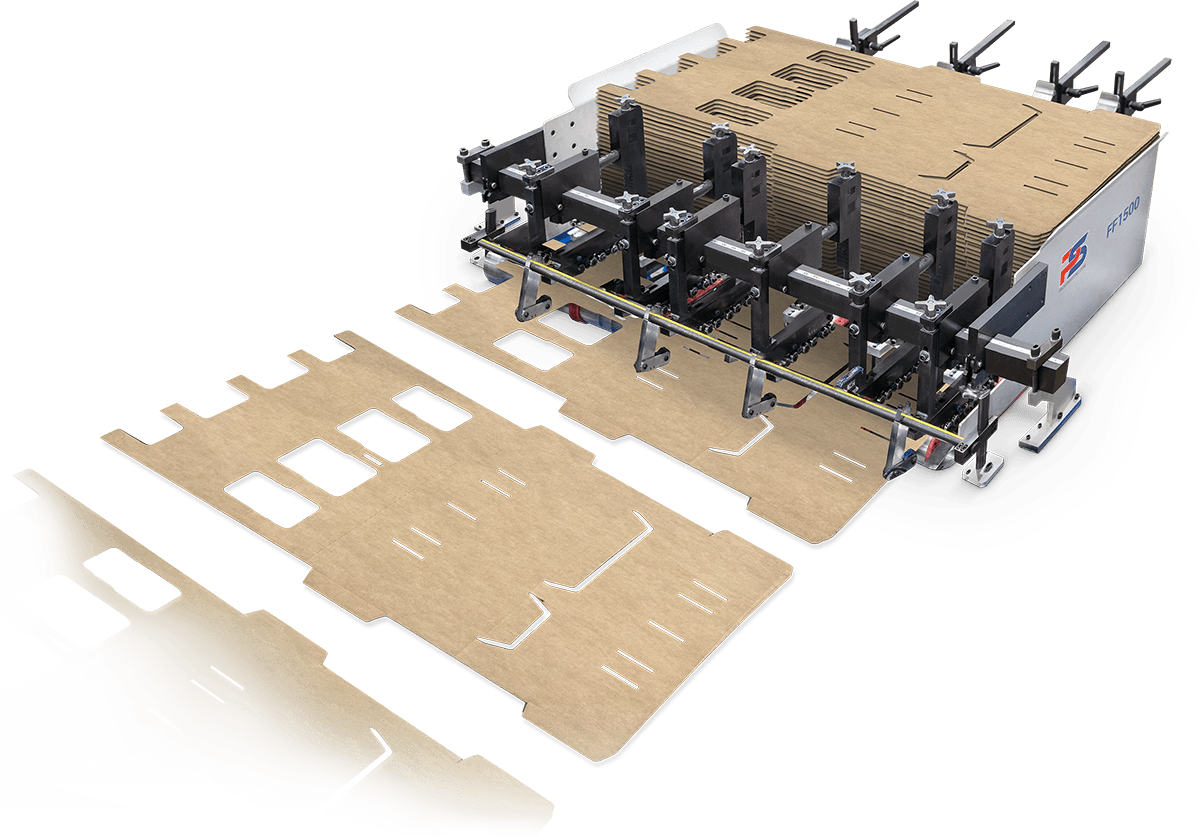
FF Series

Primary Friction Feeder

The FF Series Friction Feeder can handle the lightest paper and is equally at home when dealing with heavy stock materials when called upon.
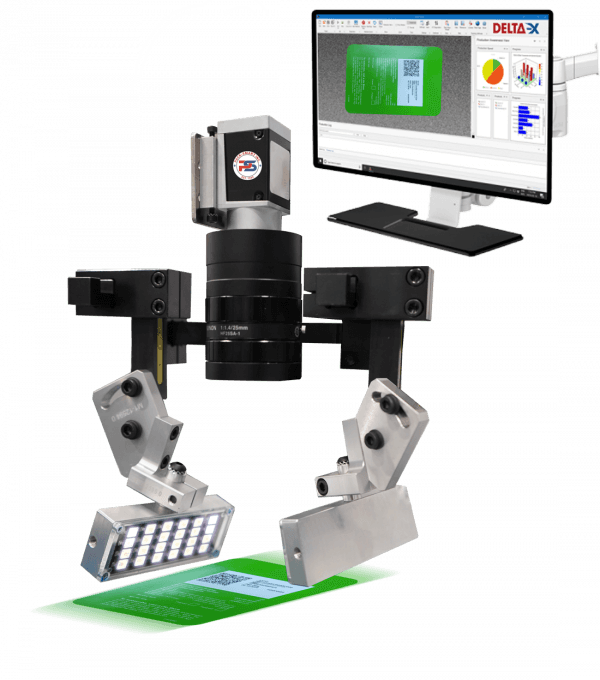
The VSC-1000 Hish-Speed Vision Scan system can manage up to 8 camera inputs with 4 parallel channels, allowing asynchronous management with real-time hardware.
VSC-1000

Vision Scan System

The VSC-1000 Vision System offers state-of-the-art vision scanning and real-time image processing, ideal for high-speed production environments.
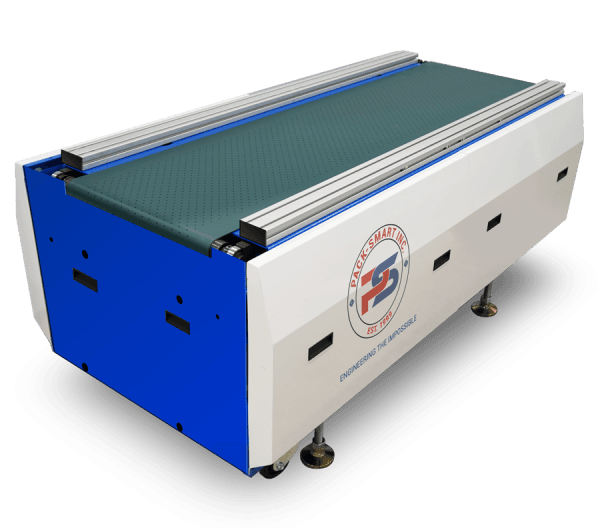
VC Series

Vacuum Transport

High torque servo driven vacuum transport conveys products at accurate speeds and controls product placement with 8 selectable vacuum zones. 
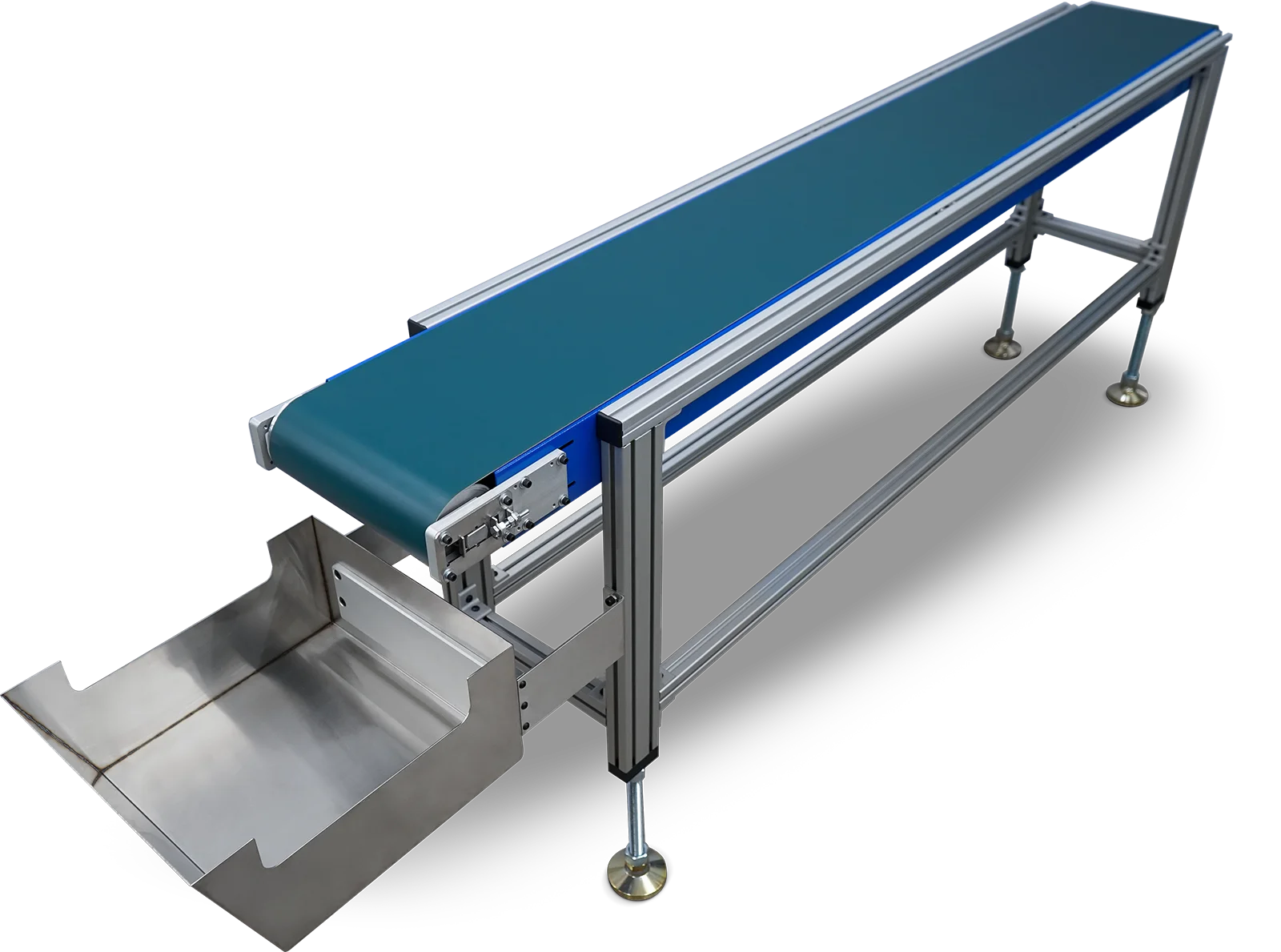
DL Series | Shingled Delivery Transport
DL Series

Shingled Delivery Transport

Discover the DL Series Shingled Delivery Transport, designed for efficient and ergonomic conveying of diverse printed materials.
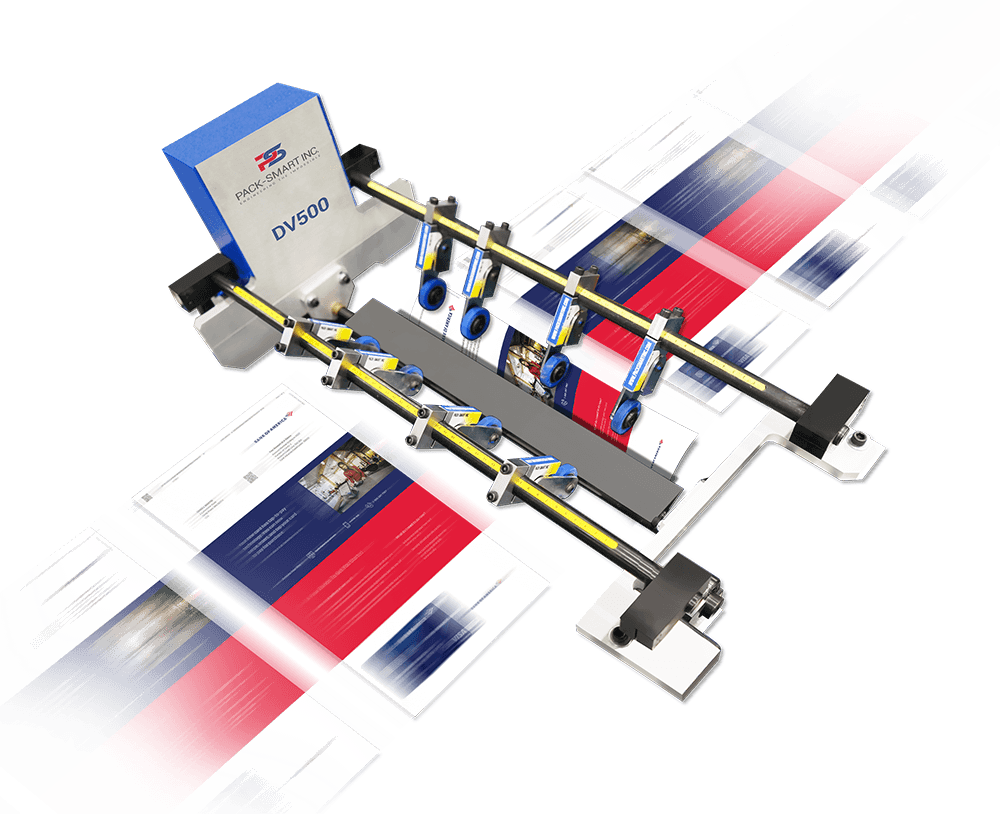
DZ Series

Zoned Divert Gate System

Elevate efficiency with the DZ Series Zoned Divert, designed for precise sorting and high-capacity handling in demanding industrial environments.